

Electric motors are the heart of countless modern industries-power generation, manufacturing, HVAC systems, transportation, and more. Yet, as motors become more powerful and controlled by advanced electronics, one silent threat grows greatly: stray electrical currents damaging motor bearings. Insulated bearings offer a sophisticated solution, acting as the unsung heroes that safeguard motors, reduce downtime, and improve cost-efficiency. This comprehensive guide explores the principles, benefits, technology, and application of insulated bearings in modern motor systems.
What Are Insulated Bearings?
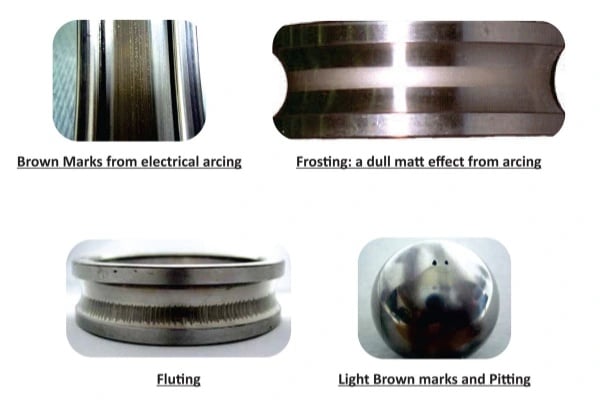
Insulated bearings are specifically engineered rolling bearings designed to block the flow of electrical currents between the shaft and housing. Modern motors-especially those controlled by variable frequency drives (VFDs) or other inverter technologies-produce unwanted shaft voltages due to electromagnetic interactions. If these stray currents pass through the bearing, they cause “electrical erosion“: pitting, fluting, and premature wear. Insulated bearings combat this phenomenon by introducing an electrically resistant barrier, breaking the circuit, and stopping current in its tracks.
How Do Insulated Bearings Work?
The Science of Electrical Insulation
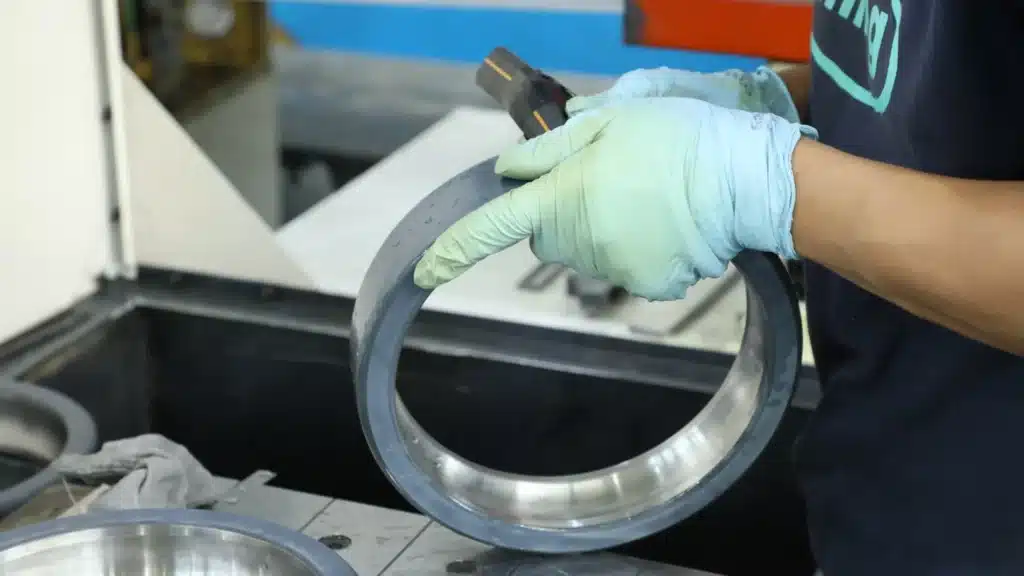
At their core, insulated bearings consist of standard bearing components-a steel inner ring, outer ring, cage, and rolling elements (balls or rollers). What sets them apart is the application of an extra layer of insulation, achieved by advanced coating technologies. Popular methods include plasma spraying a thin but dense ceramic oxide layer (commonly aluminum oxide, Al2O3) onto the bearing’s ring.
This ceramic layer is both physically robust and electrically resistant. Coating thickness ranges from 50 to 400 microns, offering insulation resistance up to 1000 V DC-sufficient to block typical shaft voltages encountered in motor applications. Premium models employ hybrid designs with ceramic rolling elements or all-ceramic construction for extreme environments.
Insulation Performance Testing
Proper insulation is validated through specialized tests. Insulation resistance meters, typically rated for 250V, are used to check resistance between the shaft and housing. The procedure involves wrapping the coated part of the bearing-often with aluminum foil-and measuring the resistance between points to ensure effective electrical isolation. Shaft voltage and shaft current tests, using millivoltmeters and ammeters, verify that the bearing blocks harmful currents under real operating conditions.
Types of Insulated Bearings
Different bearing designs suit different motor architectures and applications:
Outer Ring Coated Bearings
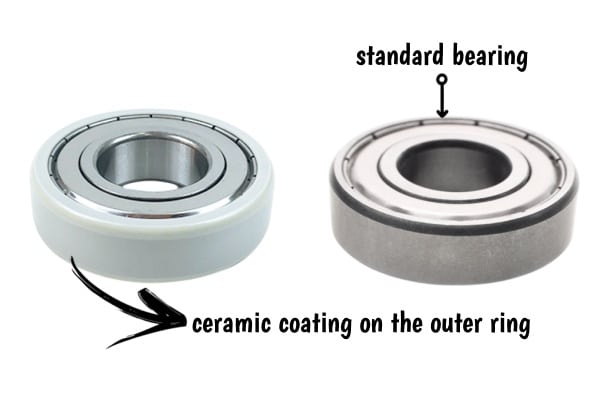
These are the most common type, featuring a ceramic coating on the outer ring. Suitable for general motor designs, they safeguard motors in standard industrial environments.
Inner Ring Coated Bearings
For large or high-voltage motors, inner ring coating offers increased protection. This design ensures insulation even when installation or housing demands a unique configuration.
Hybrid and Full-Ceramic Bearings
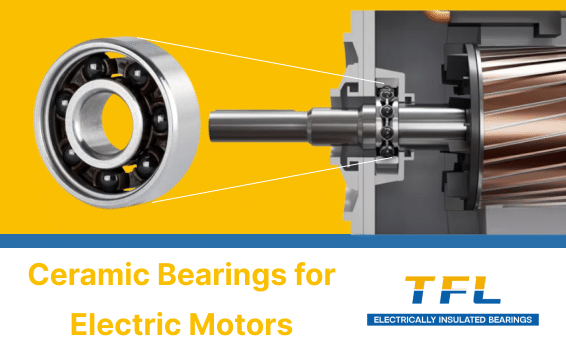
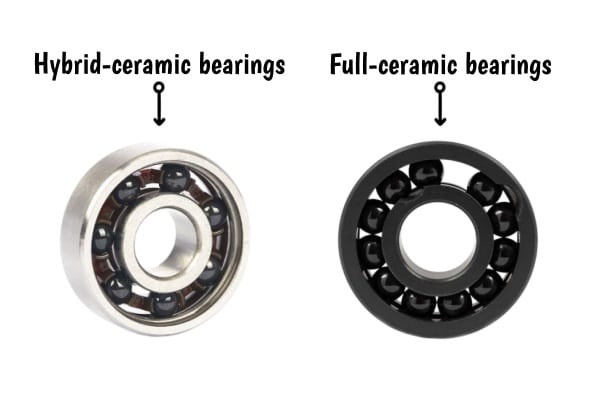
Hybrid bearings combine steel rings with ceramic rolling elements, delivering both insulation and mechanical performance. Full-ceramic bearings, made entirely of ceramics, provide the highest insulation resistance and excellent wear properties for the harshest settings.
Key Advantages of Insulated Bearings
- Protection against electrical erosion: Insulated bearings prevent pitting, fluting, and lubricant degradation, which leads to longer service life and fewer failures.
- Reduced downtime and costs: With fewer bearing replacements and maintenance intervals, equipment uptime and cost-efficiency are improved.
- Enhanced reliability for high-tech motors: As variable speed drives and inverter-controlled motors become industry standards, insulated bearings ensure safe operation and compliance with modern machine requirements.
- Versatility: Insulated bearings fit a wide range of applications, from factory motors, wind turbines, electric vehicles, to pumps and generators.
Applications and Industry Use Cases
Insulated bearings are critical wherever motors face stray or circulating currents, including:
- Industrial electric motors and generators
- Wind and hydro power generation
- Electric vehicle traction motors
- HVAC and refrigeration compressors
- Pumps and fans using inverter drives
Their adoption continues to grow as industries shift to smarter, more energy-efficient motor controls.
Installation and Maintenance Considerations
To maximize the protection of insulated bearings:
- Ensure coatings or insulation layers are not damaged during installation.
- Regularly inspect insulation resistance using professional meters.
- Use recommended lubricants and follow manufacturer guidelines for assembly.
- Avoid contact of cables, bolts, or grease with the insulation barrier, which could compromise its integrity.
- For extra protection, consider insulated sleeves or bearing isolators to further block electrical discharge currents.
Selecting the Right Insulated Bearing
Assess Motor Requirements
Begin by listing motor speed, voltage, environment (temperature, humidity), and loading conditions. Motors controlled by VFDs or those above 750 kW should always use insulated bearings.
Compare Insulation Materials
Alumina ceramic, silicon nitride, and polyimide coatings offer a balance of electrical resistance and mechanical durability. Ceramic coatings are preferred for their toughness and consistent insulation performance.
Determine Coating Thickness and Grade
Higher voltage motors may need thicker coatings and greater resistance grades (over 500MΩ for extreme environments). Confirm compatibility with your equipment’s design.
Ask About Certifications
Select bearings meeting global standards such as ISO9001, IATF 16949, RoHS, and REACH for quality assurance and compliance in regulated industries.
The Future of Insulated Bearing Technology
As smart factories, electrified transportation, and sustainable energy systems proliferate, insulated bearings will become even more essential. Advanced plasma spraying and ceramic manufacturing enable new levels of durability, insulation, and mechanical performance. Industry leaders are focusing on process optimization, strict quality control, and continuous development to meet rising demands-helping manufacturers and users minimize risk and maximize reliability.
Partner with TFL Insulated Bearings for Superior Motor Protection
Understanding the critical science behind electrical erosion is only the first step; choosing the right partner to implement these solutions is where the real value lies. At TFL Insulated Bearings, we specialize in the advanced manufacturing and coating technologies described above. We are dedicated to providing high-performance insulated bearings that effectively block stray currents, ensuring your VFD-controlled motors and generators operate at peak efficiency without the risk of premature failure.
Whether you need standard ceramic-coated outer rings or specialized hybrid solutions for extreme environments, our engineering team is ready to help you select the perfect configuration to minimize downtime and maximize your equipment’s lifespan.
Ready to secure your machinery against electrical damage?
Contact us today to discuss your specific application requirements or to request a custom quote.
- Email Us: [email protected]
- Call / WhatsApp: +86 15806631151