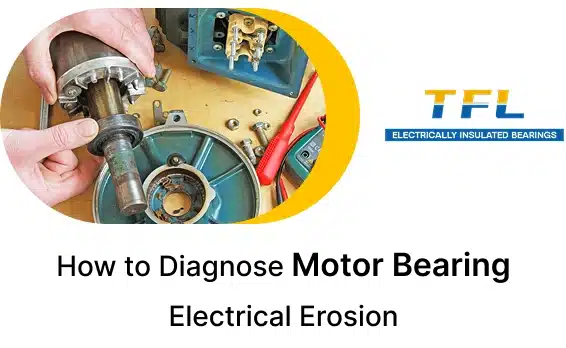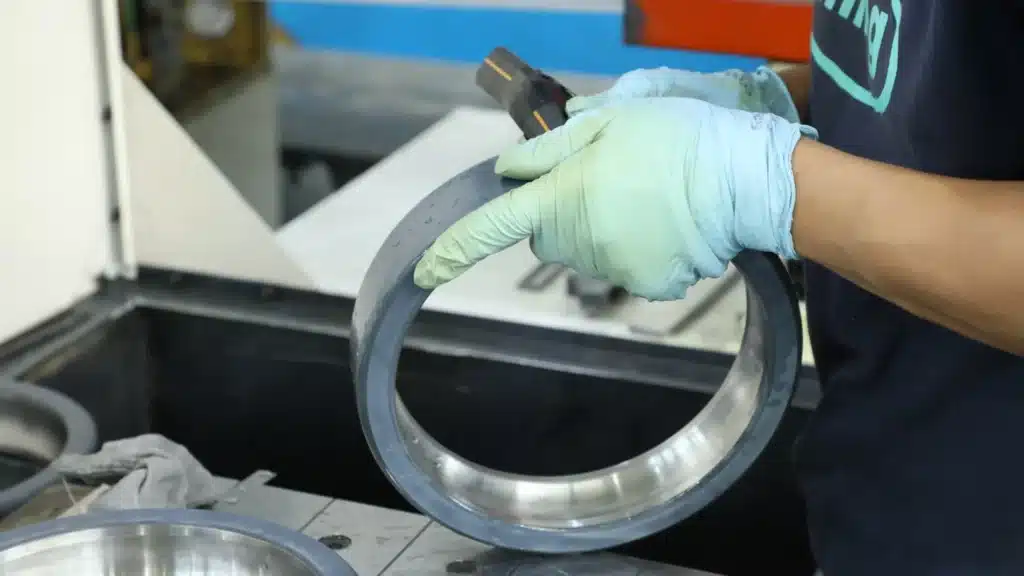


Motor bearing noise should be investigated when a normal, steady hum changes into grinding, rumbling, squealing, clicking, knocking, or high-pitched whining. A motor abnormal sound alone does not confirm the cause, so compare it with vibration, temperature, lubricant condition, load, alignment, and bearing raceway condition. Common causes include insufficient or excessive lubrication, contamination, misalignment, incorrect fit, overload, mechanical damage, and electrical erosion in some VFD-driven motors.
If a replacement motor bearing is required, confirm the complete model, dimensions, load, speed, internal clearance, cage, seals, and application. Send these details, along with sound recordings or failure photos, through the TFL Bearing contact form.
Motor bearing noise is one of the most persistent and telling signs of trouble for electric motors in every industrial sector. Whether it is a subtle hum, pronounced rumbling, high-pitched whine, clicking, or another motor abnormal sound, unusual noises often point to mechanical or electrical issues that, if ignored, can develop into costly breakdowns, unplanned downtime, and expensive repairs. Understanding the causes of bearing noise, mastering diagnostic techniques, and implementing proven prevention strategies are essential for reliability engineers, maintenance managers, and plant operators aiming for long-term equipment health. This guide explores motor bearing noise from root causes and sound types to step-by-step diagnosis and practical fixes.
Motor Bearing Noise: Quick Sound-to-Cause Guide
| Motor Abnormal Sound | Possible Cause | First Checks |
|---|---|---|
| Grinding or rough rumbling | Lubrication loss, contamination, or damaged raceways | Check lubricant condition, vibration, temperature, and bearing surfaces |
| High-pitched squealing | Insufficient lubrication, cage instability, seal contact, or excessive preload | Review lubricant quantity, fit, clearance, seals, and mounting |
| Clicking or ticking | Localized pitting, rolling-element damage, cage defect, or loose component | Compare the sound with shaft speed and inspect for cyclical vibration |
| Knocking or repetitive impact | Advanced bearing damage, excessive clearance, or loose mounting | Stop and inspect the bearing, shaft, housing, and connected components |
| High-frequency whining | Electrical erosion, lubrication problems, electromagnetic noise, or resonance | Check vibration spectra, shaft voltage/current, lubricant, and raceway condition |
| Noise that changes with load | Misalignment, overload, belt tension, coupling problem, or incorrect bearing selection | Compare load, alignment, speed, and bearing specifications |
Summary Checklist for Quiet, Reliable Bearings
- Specify bearings for the correct load, speed, internal clearance, and operating environment.
- Use the motor or bearing manufacturer’s recommended lubricant and follow appropriate relubrication intervals.
- Use suitable seals and shields in contaminated, wet, or dusty environments.
- Use the correct mounting tools and procedures, and avoid transmitting installation force through the rolling elements.
- Perform initial and periodic shaft and coupling alignment checks using suitable precision tools.
- Use temperature, vibration, and noise monitoring on critical motors.
- Where electrical bearing current is confirmed or specified, evaluate insulated bearings, hybrid bearings, shaft-grounding devices, and other system-level protection measures.
- Keep maintenance areas clean and document every lubrication, inspection, and bearing replacement.
- Train maintenance personnel to distinguish normal motor sound from developing bearing faults.
- Replace damaged bearings when condition monitoring shows that continued operation creates an unacceptable failure risk.
Understanding Motor Bearing Noise: What Is Normal vs. Abnormal?
Normal Sounds of Motor Bearings
Every electric motor naturally produces some level of sound when operating. These normal noises arise from several benign sources:
- Airflow noise: The movement of cooling air around the motor housing often creates a consistent, low hum.
- Electromagnetic fields: Interactions between the magnetic fields in motor windings can produce a stable acoustic signature.
- Mechanical motion: Healthy bearings generate a smooth and relatively steady sound as balls or rollers move along the raceways.
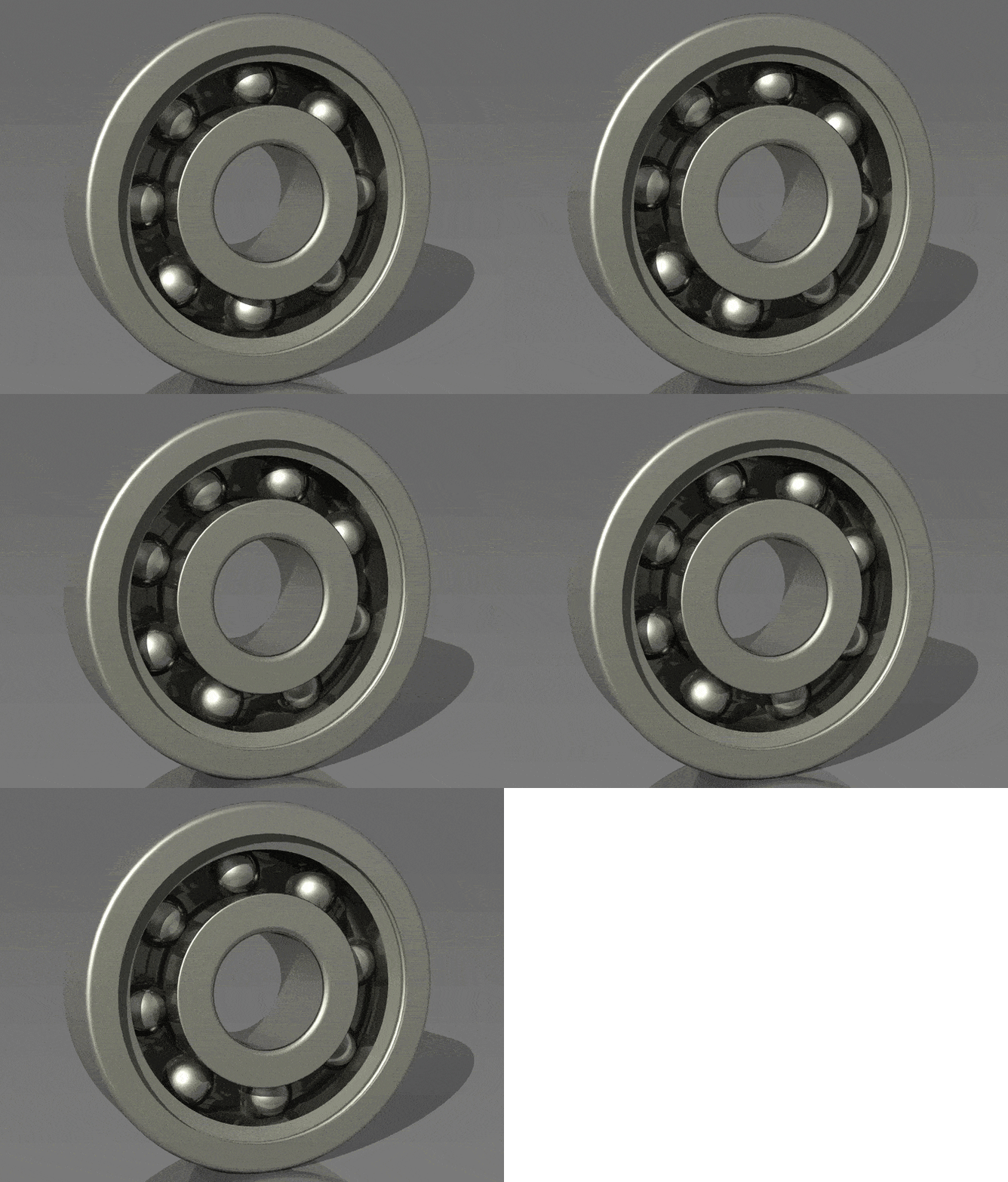
A healthy motor bearing usually produces a steady, low-level hum or gentle whir that remains consistent across normal operating speeds and loads. This normal noise should not undergo sudden amplitude increases or develop a new grinding, clicking, knocking, or tonal component. Many plants record baseline noise and vibration signatures during commissioning or after overhaul so that meaningful changes can be identified later.
Key Components of Normal Bearing Noise
- Cage interaction: The bearing cage maintains rolling-element spacing and may create a light, continuous rustling or brushing sound that blends into the general motor noise.
- Lubricant agitation: In grease-lubricated bearings, the rolling elements redistribute grease, which may create a smooth, low-frequency whir. Noise may temporarily increase after relubrication if excess grease is being displaced.
Abnormal Bearing Noises: Warning Signs
When a bearing starts to fail, its sound may change enough to alert operators or maintenance technicians. Warning noises include:
- Squealing or screeching: High-pitched continuous or intermittent sounds may be related to lubrication failure, seal friction, excessive preload, or cage instability.
- Grinding or rumbling: Coarse, rough noises may indicate metal-to-metal contact, contaminated lubricant, or damaged rolling surfaces.
- Clicking, ticking, or knocking: Intermittent or cyclical noises can indicate localized raceway damage, rolling-element defects, cage damage, looseness, or another rotating component fault.
- High-pitched whining: This may be related to lubrication, resonance, electrical effects, bearing surface damage, or other motor components. Further testing is required before identifying the cause.
- Intermittent or cyclical noises: Sounds that repeat in relation to rotor speed or load may indicate localized pitting, fluting, misalignment, or a damaged rotating component.
These sounds often appear before severe mechanical damage, creating an opportunity for maintenance intervention. However, sound alone is not a complete diagnosis. Noise should be compared with vibration, temperature, lubricant condition, operating load, alignment, and inspection results.
Practical Tips for Differentiating Normal from Problematic Noise
- Establish a baseline: Record audio and vibration signatures when a motor is new, recently overhauled, or known to be operating correctly.
- Use suitable diagnostic tools: Vibration analyzers, acoustic sensors, electronic stethoscopes, and spectrum analysis can help distinguish bearing faults from gear, fan, coupling, and electromagnetic noise.
- Perform comparative listening: Compare the suspect motor with an identical unit operating under similar speed and load.
- Combine multiple diagnostics: Use noise analysis together with temperature checks, vibration analysis, visual inspection, and lubricant examination.
- Monitor changes over time: A rapid increase in sound level or the appearance of a new frequency component is more meaningful than one isolated reading.
Common Causes of Motor Bearing Noise
Lubrication Issues
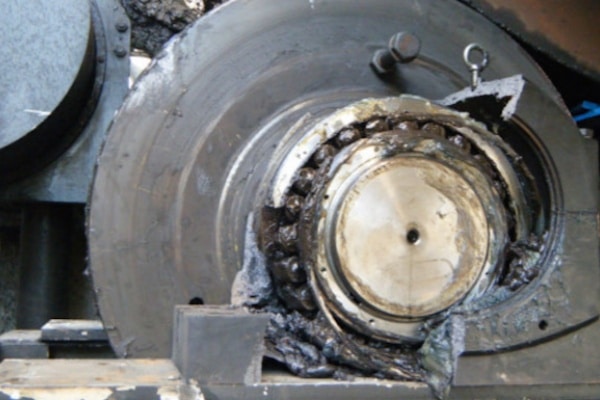
Insufficient, excessive, unsuitable, or contaminated lubrication is one of the most common causes of motor bearing noise. Loss of an effective lubricant film increases friction and vibration, while too much grease may cause churning, heat, and elevated operating noise.
Contamination
Dust, water, chemicals, fibers, or metal particles can enter the bearing and lubricant, causing abrasive wear, corrosion, surface roughness, and abnormal noise.
Misalignment
Improper mounting, shaft bending, inaccurate coupling alignment, pulley problems, soft foot, or housing defects can create uneven load distribution. This often appears as vibration, humming, chatter, heat, or noise that changes with load.
Bearing Damage
Pitting, spalling, surface fatigue, cage damage, false brinelling, scoring, or rolling-element defects can produce grinding, clicking, rumbling, or repetitive knocking sounds.
Electrical Erosion
In some VFD-driven motors, bearing currents can produce electrical pits, frosting, and fluting on the raceways. As the damage develops, the bearing may generate high-frequency noise, cyclical vibration, or a rough rumbling sound. Electrical erosion should be confirmed through raceway inspection and appropriate electrical and vibration testing.
Excess Load or Speed
When a motor bearing is undersized or operated beyond its intended load or speed conditions, increased friction, heat, cage instability, and rolling-element slip may produce rumbling, roaring, or whistling noises.
Installation Errors
Incorrect fit, mounting force applied through the rolling elements, damaged shaft or housing seats, excessive or insufficient preload, and contamination introduced during installation can all cause noisy operation.
Diagnosing Motor Bearing Noise: Step-by-Step Techniques
Step 1: Listen and Identify
- Listen at startup, steady speed, shutdown, and under different loads.
- Record the type, frequency, location, and pattern of the sound: steady, intermittent, cyclical, speed-related, or load-related.
- Compare the drive end, non-drive end, motor frame, fan, coupling, and driven equipment before assuming the bearing is the source.
Step 2: Manual Rotation and Inspection
- Disconnect and safely isolate the equipment according to the site’s lockout procedures before touching or rotating the shaft.
- Rotate the shaft by hand where the design allows. Rough spots, resistance, clicking, or grinding may indicate internal bearing or connected-component problems.
- If the shaft cannot rotate normally or produces severe roughness, further inspection or bearing replacement may be required.
Step 3: Vibration Analysis
- Use accelerometers or vibration instruments to measure overall vibration and relevant frequency components.
- Analyze whether the vibration pattern is consistent with bearing, imbalance, misalignment, looseness, gear, fan, or coupling faults.
- Trend readings over time instead of relying on one measurement.
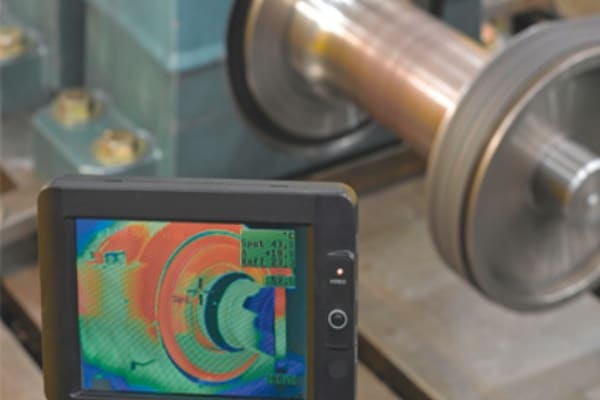
Step 4: Temperature Monitoring
- Elevated or rapidly rising bearing temperature may accompany noise caused by lubrication loss, excessive grease, preload, overload, or friction.
- Use infrared thermometers, thermal cameras, or installed temperature sensors.
- Compare the reading with the motor’s normal operating baseline and the corresponding bearing at the other end.
Step 5: Visual Examination
- Inspect seals, shields, lubrication points, and exposed areas for grease leakage, contamination, corrosion, or deformation.
- If the bearing is removed, inspect raceways, rolling elements, cage, and seals for pitting, fluting, discoloration, scoring, spalling, or metal debris.
Step 6: Lubricant Analysis
- Examine grease or oil for darkening, hardening, softening, separation, water, metallic particles, burnt odor, or mixed lubricant types.
- Confirm that the lubricant type and relubrication quantity match the bearing, speed, load, and operating temperature.
Step 7: Electrical Checks
- For inverter-driven systems, use appropriate electrical diagnostic equipment and qualified personnel to evaluate shaft voltage or bearing current.
- Inspect removed bearings for electrical pitting, frosting, dark grease, or fluting patterns.
- Review the VFD, motor cable, grounding, bonding, shaft grounding, and connected equipment before deciding on the corrective measure.
Preventive Strategies: How to Keep Bearings Quiet and Healthy
Lubrication Best Practices
- Use the lubricant specified by the motor, bearing, or equipment manufacturer.
- Set lubrication intervals according to speed, bearing size, load, temperature, operating hours, and environment.
- Avoid over-lubrication, which can cause churning, heat, seal damage, and elevated noise.
- Keep lubrication fittings, tools, containers, and surrounding areas clean.
Contamination Control
- Use appropriate seals or shields for dusty, wet, abrasive, or chemically aggressive environments.
- Keep replacement bearings sealed until installation and prevent contamination during handling.
- Inspect shaft and housing sealing surfaces for wear or damage.
Alignment and Installation
- Use appropriate shaft-alignment tools for installation and periodic checks.
- Confirm shaft and housing fits. A loose fit may cause creep and vibration, while an excessive interference fit may reduce internal clearance and increase friction.
- Do not strike the bearing directly with a hammer. Use suitable mounting sleeves, presses, hydraulic tools, or controlled heating methods.
- Apply mounting force only to the ring being fitted.

Electrical Erosion Solutions
- Where electrical bearing current is confirmed or specified by the motor manufacturer, evaluate insulated motor bearings or hybrid ceramic bearings.
- Use shaft-grounding rings or grounding brushes where they are suitable for the identified current path.
- Review motor-cable shielding, high-frequency grounding, bonding, filters, and protection of connected equipment.
- Do not assume that every VFD-driven motor requires the same bearing-current solution.
Load and Speed Management
- Match the bearing type, size, internal clearance, cage, lubricant, and precision to the actual speed and load.
- Avoid sustained overload, excessive belt tension, unexpected axial load, and operation beyond the bearing’s applicable speed range.
- Use appropriate mounting and balancing procedures for high-speed and heavily loaded motors.
Routine Monitoring and Predictive Maintenance
- Use vibration, temperature, current, and acoustic monitoring where the motor’s criticality justifies it.
- Record and trend measurements so that gradual deterioration can be identified before severe failure.
- Document operating changes such as new VFD settings, load increases, lubrication changes, or bearing replacements.
Advanced Troubleshooting Methods and Tools
Electronic Listening Devices
- Electronic stethoscopes and multi-channel listening systems can help identify whether noise comes from a bearing, fan, coupling, gearbox, or another component.
- Use consistent measurement locations and operating conditions when comparing readings.
In-Line Diagnostic Software
- Connected vibration, temperature, and current sensors can transmit data for remote condition monitoring and trend analysis.
- Automated alarms should be based on a reliable machine baseline and verified by maintenance personnel.
Lubrication and Wear Analysis
- Oil or grease analysis can identify wear particles, water contamination, oxidation, viscosity change, and other conditions related to noise and bearing wear.
- Analysis results should be combined with vibration, temperature, and inspection data.
Training and Continuous Improvement
- Train maintenance teams in lubrication, installation, fit, alignment, noise recognition, and safe diagnostic practices.
- Update procedures when a new motor, bearing design, lubricant, VFD, or operating condition is introduced.
- Use motor and bearing manufacturer guidance when establishing maintenance limits and replacement specifications.
Documentation
- Keep historical records of motor abnormal sound events, vibration readings, temperatures, lubrication work, repairs, and replacements.
- Use these records to identify repeated failure patterns and evaluate whether corrective actions were effective.
Illustrative Troubleshooting Scenarios
Scenario 1: A heavily loaded industrial motor develops increasing rumbling and vibration. Inspection finds contaminated grease and a bearing that is not suitable for the actual load. The corrective process should include removing the contamination source, checking shaft and housing condition, selecting the correct bearing capacity, applying the correct lubricant, and establishing a suitable monitoring interval.
Scenario 2: A VFD-driven generator develops high-frequency bearing noise and increasing vibration. Raceway inspection identifies electrical pitting or fluting. Depending on the electrical current path, corrective measures may include an insulated or hybrid bearing, shaft grounding, improved high-frequency grounding, cable correction, or filtering. The exact solution must be based on the complete motor and drive system.
These scenarios illustrate the diagnostic process and should not be treated as guaranteed outcomes for every motor. Similar sounds may have different causes, so measurements and physical evidence are required.
Motor Bearing Noise Diagnosis and Prevention Table
| Cause | Noise Symptoms | Diagnostics | Corrective Action |
|---|---|---|---|
| Lubrication loss or incorrect quantity | Grinding, rumbling, squealing, or rising noise after operation | Inspect lubricant, temperature, vibration, and relubrication records | Correct the lubricant type, quantity, and interval after checking for bearing damage |
| Contamination | Rough noise, squealing, vibration, or intermittent clicking | Inspect grease, seals, raceways, and environmental exposure | Remove the contamination source, improve sealing, and replace damaged components |
| Misalignment | Humming, chatter, vibration, or noise that changes with load | Check shaft alignment, coupling, soft foot, runout, and vibration | Realign the system and correct shaft, coupling, mounting, or fit problems |
| Mechanical bearing damage | Knocking, clicking, grinding, or cyclical rumbling | Vibration analysis, manual rotation, and internal inspection | Replace the damaged bearing and correct the underlying cause |
| Electrical erosion | High-frequency whining, roughness, or cyclical noise | Raceway inspection, vibration analysis, and electrical checks | Use the appropriate insulated-bearing, grounding, cabling, or filtering solution |
| Overload or excessive speed | Roaring, instability, heat, or load-related noise | Review operating load, speed, belt tension, and bearing specification | Reduce the operating demand or select a suitable bearing and arrangement |
| Installation or fit error | Vibration, hum, rumbling, heat, or early noise after replacement | Check shaft/housing tolerances, clearance, mounting records, and bearing condition | Correct the fit and use the appropriate mounting procedure |
Frequently Asked Questions
What causes motor bearing noise?
Common causes include insufficient or excessive lubrication, contaminated grease, incorrect bearing fit, misalignment, overload, excessive speed, damaged raceways, cage defects, loose components, and electrical erosion. The sound should be compared with vibration, temperature, lubricant condition, and inspection results before confirming the cause.
How can I tell whether motor bearing noise is normal?
Normal motor bearing noise is generally smooth, steady, and consistent at a given speed and load. Grinding, knocking, clicking, squealing, rapidly increasing noise, or a new cyclical sound should be investigated. Comparing the motor with its previous baseline or an identical healthy unit is useful.
What does a motor abnormal sound indicate?
A motor abnormal sound may originate from the bearing, fan, coupling, rotor, stator, gearbox, belt, or driven equipment. Grinding often suggests friction or damaged surfaces, while clicking may indicate localized damage or looseness. Diagnosis should include sound location, vibration, temperature, load, and visual inspection.
Can too much grease cause motor bearing noise?
Yes. Excess grease can cause churning, increased drag, heat, seal leakage, and temporarily elevated noise. The correct grease quantity depends on bearing size, speed, housing design, relubrication method, and operating conditions.
Can a VFD cause motor bearing noise?
A VFD can contribute to bearing-current damage in some motor systems. Repeated electrical discharges may create pitting, frosting, fluting, dark grease, vibration, and abnormal noise. However, not every noisy VFD-driven motor has electrical erosion, so the bearing and electrical system must be tested.
When should a noisy motor bearing be replaced?
Replacement is generally required when inspection confirms pitting, spalling, fluting, cage damage, excessive clearance, rough rotation, severe discoloration, or another condition that makes continued operation unsafe or unreliable. The underlying lubrication, alignment, load, fit, contamination, or electrical problem should also be corrected.
How do I choose a replacement motor bearing?
Confirm the complete bearing designation, bore, outside diameter, width, bearing type, internal clearance, cage, seals, precision, load, speed, lubrication, shaft and housing fits, operating temperature, environment, and drive-end or non-drive-end position. Do not select a replacement from dimensions alone.
What information is needed for a motor bearing quotation?
Send the complete bearing model, dimensions, quantity, motor make and model, application, operating speed, radial and axial load, internal clearance, cage, seals, lubrication, VFD information, installation position, and any available nameplate photos, drawings, sound recordings, or failed-bearing images.
Conclusion
Motor bearing noise is more than an annoyance—it is an early warning signal for mechanical and electrical health. By identifying the sound, evaluating the underlying causes, using systematic diagnostic methods, and applying appropriate corrective measures, maintenance teams can address developing problems before they become costly downtime. Whether the source is lubrication, contamination, misalignment, load, installation, mechanical damage, or electrical erosion, the diagnosis should be based on evidence rather than sound alone.
Address Motor Bearing Noise and Electrical Erosion
Electrical erosion from VFD-related bearing currents is one possible cause of motor bearing noise and failure. Where electrical damage is confirmed, TFL provides insulated motor bearing options designed to interrupt unwanted current through the bearing.
Whether you are troubleshooting a noisy motor or selecting a replacement bearing, provide the complete model, motor information, quantity, load, speed, installation position, and available failure evidence so that the mechanical and electrical requirements can be reviewed.
Need help reviewing a motor bearing?
- View products: Browse the TFL bearing product range.
- Request support: Use the contact form and include the bearing model and application information.
- Email: [email protected].
- Telephone: +86 15806631151.
Identify the sound, confirm the cause, and correct the complete bearing system before the abnormal noise develops into an unplanned motor shutdown.