

Electrical pitting and fluting are among the most destructive failure modes in modern electric motor bearings, especially in motors driven by variable-frequency drives (VFDs) and inverters. Both forms of damage begin with stray shaft currents that discharge through the bearing, but they appear differently, progress at different rates, and require specific prevention strategies. Understanding how pitting and fluting form in motor bearings is essential for reliability engineers, maintenance teams, and OEM designers seeking to eliminate unexpected failures, noise complaints, and costly downtime.
What Creates Electrical Damage in Motor Bearings?
How Shaft Currents Form
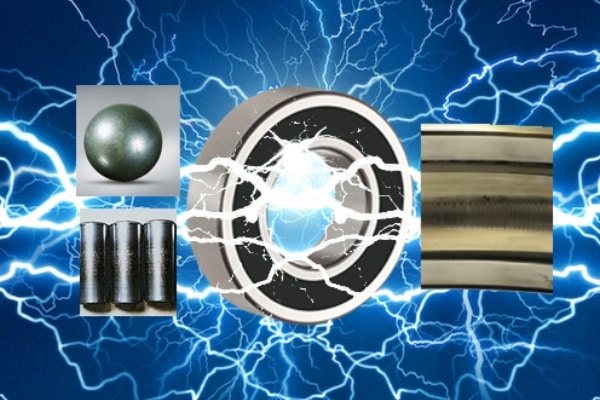
Modern VFDs and inverters use high-frequency switching to control motor speed and torque. The rapid voltage changes (high dv/dt) create common-mode voltages and capacitive coupling between the stator and rotor, which, in turn, generate a shaft voltage relative to the motor frame. When this shaft voltage exceeds the dielectric strength of the bearing lubricant film, it discharges through the rolling elements and raceways as microscopic electrical arcs.
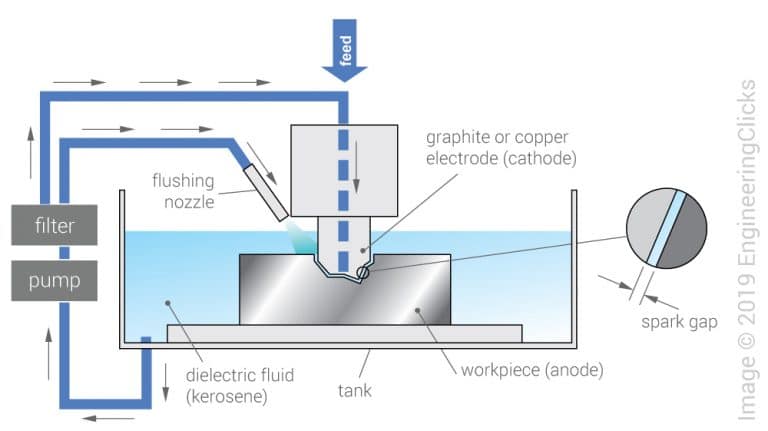
These events are known as Electrical Discharge Machining (EDM) or electrical erosion, and they can occur millions of times per hour in an unprotected motor. Each arc instantaneously melts a tiny amount of steel, ejects material, and leaves a small crater or burn mark on the bearing surface.
From Single Sparks to Systemic Damage
The initial EDM events are invisible to the naked eye, but they roughen the surface and degrade the lubricant. Over time, the accumulation of craters and thermal cycling alters contact conditions, modifies vibration behavior, and accelerates wear. What starts as random microscopic pitting soon evolves into a recognizable pattern-either distributed electrical pitting or pronounced fluting along the raceway.
Electrical Pitting: The First Stage of EDM Damage
What Is Electrical Pitting?
Electrical pitting is the earliest and most localized form of electrical bearing damage. Each EDM discharge produces a tiny crater where material has been vaporized or melted away, often only a few micrometers in diameter. Under magnification, these craters appear as peppered dots or a frosted texture on the rolling elements and raceways.
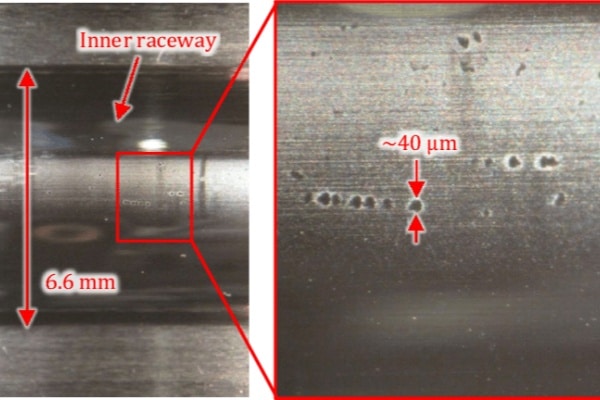
With continued operation, the bearing surface transitions from mirror-smooth to matte or frosted, indicating that countless micro-pits have formed. At this stage, the bearing may still function, but friction, noise, and heat increase, and the lubricant film becomes unstable.
How Pitting Affects Performance
- Higher Friction and Temperature: Roughened surfaces increase friction, causing additional heat and accelerating lubricant oxidation.
- Lubricant Breakdown: Repeated arcing carbonizes the grease, forms conductive paths, and further weakens the dielectric barrier.
- Early Noise and Vibration: As pitting progresses, operators may notice a faint growl or hiss, especially at certain speeds or loads.
If not addressed, electrical pitting creates the mechanical conditions and resonance required for the next, more severe stage of damage-fluting.
Fluting: Washboard Damage on Bearing Raceways
What Is Electrical Fluting?
Fluting is a more advanced and characteristic pattern of electrical damage, where the bearing raceway develops evenly spaced, washboard-like grooves along the rolling path. Instead of random pits, the damage organizes into continuous ridges and valleys, typically in the direction of rotation.
These grooves form because the rolling elements repeatedly pass over areas of micro pitting under cyclic loads, inducing vibration at natural frequencies of the bearing system. Over time, this resonance concentrates stress in specific zones, aligning defects and transforming scattered pitting into a regular fluted pattern.

Symptoms of Fluting in Operation
- Distinctive Noise: Motors with fluted bearings often produce a high-pitched whine, growl, or “washboard” sound that changes with speed.
- Increased Vibration: The grooves create periodic impacts as rolling elements cross them, increasing overall vibration and often triggering alarm thresholds.
- Rapid Failure: Once fluting appears, remaining bearing life is usually short, sometimes only weeks or months, before catastrophic failure occurs.
Because fluting indicates extensive prior EDM activity, detecting it is typically a signal to replace the bearing immediately and correct the root electrical cause.
Electrical Pitting vs Fluting: Key Differences
Surface Appearance and Pattern
| Feature | Electrical Pitting | Electrical Fluting |
| Visual Texture | Frosted or peppered surface with tiny craters | Washboard like, evenly spaced grooves on raceways |
| Scale | Microscopic, scattered | Macroscopic, continuous bands |
| Stage | Early to intermediate damage | Advanced, often near the end of life |
| Detectability | Requires magnification or spectral analysis | Often visible by eye after disassembly |
Operational Impact
- Pitting mainly increases friction, subtle noise, and temperature, but motors may still run seemingly “normal” for a time.
- Fluting causes pronounced tonal vibration and noise, directly impacting process quality, especially in HVAC and precision drive systems.
From a maintenance perspective, pitting is the warning, while fluting is the emergency.
How to Diagnose Electrical Pitting and Fluting
Condition Monitoring Techniques
i. Vibration Analysis
- High-frequency acceleration and specific fault frequencies can indicate early EDM damage before audible symptoms appear.
- Patterned sidebands and tonal components often correspond to fluted raceways.
ii. Acoustic and Ultrasound Monitoring
- Acoustic emission sensors detect microscopic impacts and arcing events in real time.
- Ultrasound instruments can pick up the distinctive signature of electrical activity inside the bearing.
iii. Shaft Voltage and Current Measurements
- Portable probes measure shaft-to-frame voltage; values exceeding a few volts, combined with periodic discharge spikes, strongly suggest EDM risk.
iv. Infrared Thermography
- Localized hotspots at the bearing housing may indicate increased friction or lubricant breakdown from EDM damage.
v. Physical Inspection During Overhaul
- Use magnification and proper lighting to identify frosting, pits, grooves, and changes in sheen on raceways and rolling elements.
Common Root Causes of Electrical Pitting and Fluting
VFD and Inverter Drives
High-frequency PWM switching, long motor leads, and poor grounding create standard mode voltages and shaft currents that drive EDM events. Motors not specifically designed or protected for VFD use are especially vulnerable.
Inadequate Grounding and Bonding
If the motor frame, drive cabinet, and plant ground grid are not properly bonded, shaft voltages will seek alternative discharge paths-most often through the bearings.
Incorrect Bearing Selection
Standard steel bearings without electrical insulation or additional protective measures cannot withstand sustained EDM activity in modern high-efficiency and high-frequency systems.
Poor Installation or Retrofits
Retrofitting VFDs to older motors without upgrading bearings, adding shaft grounding, or reviewing cable and filter design significantly increases the risk of electrical damage.
Preventing Pitting and Fluting: Design and Field Strategies
Use Electrically Insulated or Hybrid Bearings
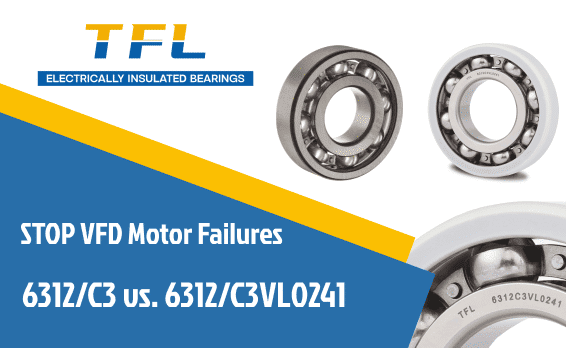
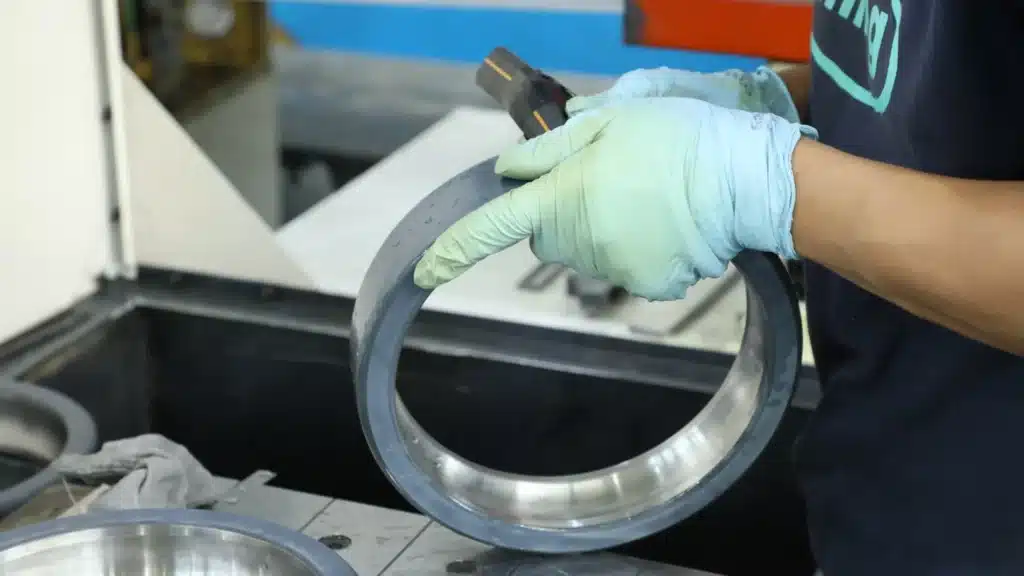
Electrically insulated bearings feature ceramic coatings on the inner or outer ring, delivering high resistance (often >50 MΩ) and voltage withstand levels up to 1,000 V or more. Hybrid bearings use ceramic rolling elements that inherently block current.
Benefits:
- Break the current path through the bearing, preventing EDM, pitting, and fluting.
- Maintain standard dimensions and load ratings, allowing drop-in replacement.
- Extend bearing and motor life significantly in VFD applications.
Install Shaft Grounding Devices
Shaft grounding rings or brushes provide a low-resistance path for shaft currents, diverting them away from bearings to ground. Grounding is often used in combination with insulated bearings- an insulated bearing on one end, a grounded bearing on the other-for maximum protection.
Optimize VFD and Cable Configuration
- Use VFD output filters (dV/dt or sine filters) to reduce high-frequency voltage content reaching the motor.
- Follow manufacturer guidelines for shielded cables and maximum cable lengths to minimize capacitive coupling.
- Ensure proper bonding of motor frames, conduits, and drive cabinets.
Maintain Lubrication Quality
Healthy grease or oil with good dielectric properties helps delay the onset of EDM, although it cannot stop high shaft currents entirely. Regular grease analysis for carbonization, metal particles, and discoloration provides early warning of electrical activity.
Repair vs Replace: What to Do When Damage Is Found
When Only Pitting Is Present
If inspection reveals early pitting but no pronounced fluting:
- Replace the bearing at the next planned outage.
- Investigate shaft voltage, grounding, and drive configuration.
- Upgrade to insulated or hybrid bearings and add shaft grounding if VFD driven.
When Fluting Is Detected
Fluting indicates severe, advanced damage:
- Replace the bearing immediately; continued operation risks catastrophic seizure, rotor damage, and extended downtime.
- Treat it as a system failure-review VFD setup, grounding, cable routing, and bearing selection.
- Consider a full electrical bearing protection package: insulated bearings plus shaft grounding and proper filters.
Best-Practice Checklist to Avoid Pitting and Fluting
- Specify VFD-rated motors or upgrade existing motors with insulated bearings in any inverter application.
- Install shaft grounding rings on at least one motor end.
- Use shielded cables and adhere to maximum recommended cable lengths.
- Monitor shaft voltage, bearing temperature, and vibration on critical assets.
- Inspect bearings for frosting, pits, and fluting during each major overhaul.
- Replace any bearing showing signs of fluting and correct the electrical root cause.
Electrical pitting and fluting are not random or inevitable-they are the predictable result of unmanaged shaft currents in modern electric motors. Pitting marks the beginning of electrical erosion at a microscopic level, while fluting represents the final, visible stage of extensive EDM damage that quickly leads to failure. By understanding the mechanisms behind these defects, recognizing their symptoms, and implementing proven countermeasures such as insulated bearings, shaft grounding, and optimized VFD practices, engineers and maintenance teams can transform bearing performance from a chronic problem into a controlled, predictable part of motor lifecycle management.
Secure Your Motor Reliability with TFL Insulated Bearings
Electrical pitting and fluting don’t just damage bearings—they disrupt your entire operation and inflate maintenance costs. At TFL Insulated Bearings, we understand that blocking stray currents is the only way to permanently eliminate these failure modes. We specialize in manufacturing high-performance electrically insulated bearings that provide a robust dielectric barrier against VFD-induced currents, ensuring your motors run smoother, quieter, and longer.
Don’t wait for the next unplanned shutdown to upgrade your protection. Ready to stop electrical erosion in its tracks?
Connect with our engineering experts today for a customized solution or to request a quote.
📧 Email us: [email protected]
📞 Call us: +86 15806631151