

Introduction
Motor bearings are the unsung heroes of industry-quietly enabling smooth rotation and efficient transmission of power in everything from pumps and compressors to fans, blowers, conveyors, and mining machinery. Their reliability determines not only the lifespan of the motor but also the productivity, safety, and operating cost of an entire plant. Yet, bearing failures remain one of the leading causes of unplanned downtime and expensive repairs. The difference between failure and long service life often comes down to one thing: maintenance. This blog details a comprehensive motor bearing maintenance checklist, expert troubleshooting tips, and real-world strategies to extend bearing life and reduce costly breakdowns.
Why Maintenance Matters for Motor Bearings
Motor bearings are the linchpin of motor performance, operating under relentless mechanical and environmental stress, supporting high loads, withstanding rapid speeds, absorbing persistent vibration, and persisting through exposure to dust, moisture, chemicals, and temperature fluctuations. Over time, this barrage of operational and environmental hazards makes bearings one of the most vulnerable points in any motor-driven system.
Even seemingly minor lapses in maintenance-whether delayed lubrication, a missed inspection, or improper cleaning-can initiate a domino effect. Essential lubricants may degrade or escape, contaminants can bypass compromised seals, or misalignment and improper installation may go unnoticed. Any of these issues can amplify wear, induce localized overheating, or cause internal stresses that accelerate bearing degradation. If left uncorrected, what begins as a simple oversight can rapidly escalate into catastrophic failures, including shaft damage, raceway scoring, or even full motor seizure, resulting in severe downtime and costly emergency repairs.

Proactive, systematic maintenance isn’t just about responding to visible problems after the fact- it establishes a culture of prevention. Through regular inspections, documented greasing schedules, precision alignment, and predictive monitoring techniques such as vibration analysis and infrared thermography, maintenance teams can identify early warning signs and intervene before minor anomalies lead to significant breakdowns.
The value of preventive bearing maintenance extends far beyond just prolonging component life. It is key to:
- Maximizing Equipment Uptime: Well-maintained bearings virtually eliminate unplanned outages that disrupt operations and productivity.
- Boosting Workplace Safety: By catching and correcting hazards early (such as overheated bearings or leaks), proactive maintenance protects workers and prevents secondary failures that could pose risks.
- Controlling Costs: Preventive strategies decrease the frequency of bearing replacements, minimize emergency repair expenses, and avoid collateral damage to associated components like shafts, rotors, and housings.
- Protecting Capital Investments: Properly maintained bearings safeguard the significant capital invested in electric motors and plant infrastructure, ensuring longer lifespans and better returns on capital expenditures.
- Supporting Reliability-Centered Operations: Predictive maintenance data allows teams to plan replacements around production needs, integrate bearing health into total asset management, and continuously refine practices for even greater performance over time.
The Comprehensive Maintenance Checklist
Daily Inspections: The Foundation of Proactive Bearing Care
Daily inspections form the first and most crucial line of defense in motor bearing maintenance. Establishing a consistent daily routine enables early detection of potential issues, drastically reducing the risk of unexpected downtime and costly repairs.
Visual Inspection: Early Detection Through Close Observation
Visual checks involve examining bearing housings, exposed bearing surfaces, and directly accessible grease fittings for visible signs of trouble:
- Look for cracks, fractures, or corrosion on the housing or seals, which may signify structural stress or environmental damage.
- Detect discoloration or rust , indicating oxidation or moisture ingress.
- Check for grease leakage or buildup, which can point to over-lubrication, seal failure, or contaminant ingress.
- Notice any caked, dirty, or contaminated lubricant around fittings or housing edges that may reduce lubrication effectiveness or introduce abrasives.
- Such inspections help identify problems early before they escalate into mechanical failure.
Listen and Feel: Using Your Senses for Diagnostic Insight
Armed with simple tools or even just your ears and hands, you can gain valuable insights into bearing condition:
- Use an engineer’s stethoscope or contact microphone to detect abnormal sounds such as squealing, grinding, or clicking that suggest lubrication breakdown, contamination, or mechanical damage.
- Feel for vibrations or looseness by gently pressing or tapping the motor casing and shaft (while following safety protocols). Excessive vibration or play can indicate misalignment, wear, or looseness within the bearing or coupling.
- Observing changes to sound or feel compared to baseline readings helps pinpoint early bearing faults.
Temperature Monitoring: Watching for Heat Buildup
Excess heat is a common symptom and driver of bearing deterioration:
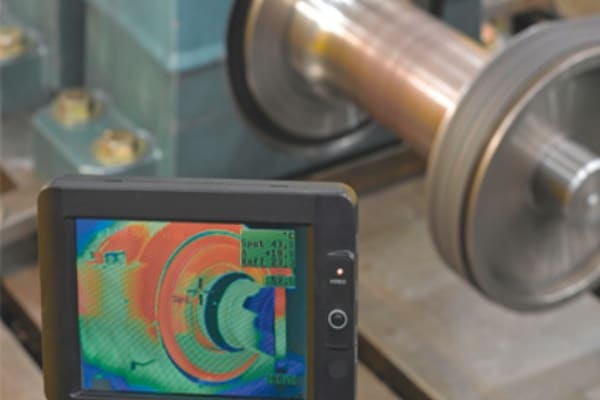
- Use an infrared thermometer or handheld thermal camera to scan bearing housings and shaft areas for temperature anomalies.
- Temperatures consistently above 80°C to 90°C (176°F to 194°F) may indicate insufficient lubrication, excessive load, friction, or early failure.
- Capture and log temperature data daily to detect trends, enabling preemptive troubleshooting before serious damage occurs.
Record Observations: Building Data for Predictive Action
- Thoroughly document all findings and measurements during each inspection—noise levels, vibration observations, temperature readings, visible wear.
- Logging helps establish baseline performance for each motor, making deviations easier to detect.
- Consistent records empower maintenance teams to apply trend analysis and predictive maintenance, scheduling repairs or replacements proactively rather than reactively.
- Many modern facilities integrate these logs into computerized maintenance management systems (CMMS) or IoT platforms for streamlined tracking and alerts.
Weekly / Biweekly Maintenance Tasks
- Lubrication Checks
- Clean grease fittings before regreasing.
- Use only manufacturer-recommended grease and apply consistent amounts with a calibrated grease gun.
- For motors with drain plugs, purge old grease during lubrication.
- Seal and Shield Inspection
- Check seals/shields for damage or improper fit and replace as needed.
- Clean Around Bearings
- Remove dust, debris, or foreign matter from the housing and mounting hardware.
Monthly / Quarterly Preventive Actions
- Detailed Vibration Analysis
- Employ professional vibration analyzers for early detection of imbalance, misalignment, or pitting.
- Shaft Alignment Verification
- Use laser systems or dial indicators to check for parallelism and correct alignment between motor and driven equipment.
- Lubrication System Inspection
- Ensure proper pump operation, no leaks, and clean lubrication oil or grease reservoirs.
- Bearing Replacement Planning
- Check operation hours and bearing condition. Schedule replacement before calculated end-of-life.
Annual / Scheduled Overhaul
- Deep Cleaning
- Disassemble, clean bearing housings, and inspect all components for wear, corrosion, or residual contaminants.
- Performance Testing
- Assess motor and bearing performance under simulated loads; check for unusual heating or vibration.
- Complete Bearing Replacement
- Replace older, pitted, or noisy bearings. Use proper mounting techniques to avoid damage (hot/cold fit, press-not hammering).
- Documentation
- Log maintenance actions, including lubrication intervals, replacements, and observed anomalies.
Advanced Monitoring and Predictive Maintenance
- Online Sensors: Install real-time temperature, vibration, and acoustic sensors for critical motors. Link to software for automated scheduling and predictive fault detection-catch issues like lubrication loss or misalignment before manual checks find them.
- Digital Maintenance Logs: Use software to record every maintenance event and sensor reading. Analyze trends to fine-tune service intervals, plan shutdowns, and justify investments in upgrades or new equipment.
Troubleshooting: What to Do When Something’s Wrong
Symptom: Excessive Noise or Vibration
- Root Cause: Lubrication failure, contamination, misalignment.
- Fix: Re-lubricate, replace bearing, align shaft, inspect housing for damage.
Symptom: Overheating
- Root Cause: Friction from inadequate lubrication or overload.
- Fix: Check grease quantity and quality, reduce load, verify cooling.
Symptom: Frequent Shutdowns
- Root Cause: Bearing seizure, excessive loading, and electrical faults.
- Fix: Replace bearings, install shaft grounding for motors with VFDs, and monitor for overload cycles.
Symptom: Lubricant Discoloration or Leakage
- Root Cause: Seal damage, contamination, temperature excess.
- Fix: Replace seals, clean housing, refresh lubricant.
Best Practices for Extending Bearing Life
Proper Lubrication
- Follow manufacturer guidelines for grease type, quantity, and frequency.
- Avoid mixing lubricants and always clean fittings before adding new grease.
Alignment and Balance
- Use precision tools (laser, dial indicator) for perfect alignment.
- Periodically inspect belt drives, couplings, and pulleys for misalignment.
Seal Maintenance
- Use high-quality seals for dusty or wet environments.
- Inspect for abbreviation, replace seals proactively, not reactively.
Clean Workplace and Equipment
- Prevent ingress of dust, water, metal flakes, or chemicals at all times.
Training and Documentation
- Train maintenance staff to spot early warning signs and properly maintain bearing systems.
- Document findings and maintenance history for trending and continuous improvement.
Case Studies: Checklist Success Stories
Manufacturing Plant: Routine vibration monitoring caught an unusual spike, leading to early identification of shaft misalignment. Performing a corrective alignment and replacing affected bearings prevented a full line shutdown, saving hundreds of production hours.
Mining Motor Station: Implementing monthly grease checks and quarterly seal replacements reduced the rate of bearing failures from six per year to less than one, improving uptime and boosting safety.
The Role of Bearing Selection
Not all bearings are alike: factor maintenance requirements into your original selection.
- Sealed or Shielded Bearings: Great for low-maintenance, challenging environments.
- Re-greasable Open Bearings: Allow for lubricant replacement in high-duty applications.
- Insulated Bearings: Required for motors exposed to electrical current from VFDs.
Maintenance Log Example (Table)
| Date | Task | Technician | Result | Notes |
| 2025-01-10 | Lubrication | Alex | OK | |
| 2025-02-05 | Vibration Analysis | Maria | Slight imbalance found | Corrected alignment |
| 2025-03-12 | Seal Inspection | Sam | Worn seal replaced |
Motor bearing maintenance is the backbone of industrial reliability. By implementing thorough daily-to-annual checklists, leveraging condition monitoring, and embracing best practices in lubrication, alignment, and seal management, you will maximize bearing lifespan, avoid costly failures, and achieve a dramatic reduction in downtime and maintenance spend.
Partner with TFL for Ultimate Reliability
While a rigorous maintenance schedule is the first line of defense against downtime, even the most disciplined lubrication and inspection routines cannot fully protect against electrical erosion in VFD-driven motors. To truly safeguard your capital investments and ensure long-term performance, you need components engineered to withstand the unique stresses of modern industrial environments.
At TFL Insulated Bearings, we understand that the quality of the bearing you install is just as critical as how well you maintain it. We specialize in manufacturing high-performance insulated bearings designed to block stray electrical currents—eliminating the risk of fluting and pitting that standard bearings simply cannot resist. By combining your proactive maintenance habits with our advanced bearing technology, we help you build a system that is not only efficient but truly resilient.
Ready to stop electrical erosion and extend your motor life?
Don’t wait for the next unplanned shutdown to upgrade your equipment. Connect with our experts today to discuss your specific requirements and get a customized quote.
Contact Us Now:
Email: [email protected]
Phone: +86 15806631151