

Hybrid Ceramic Bearings
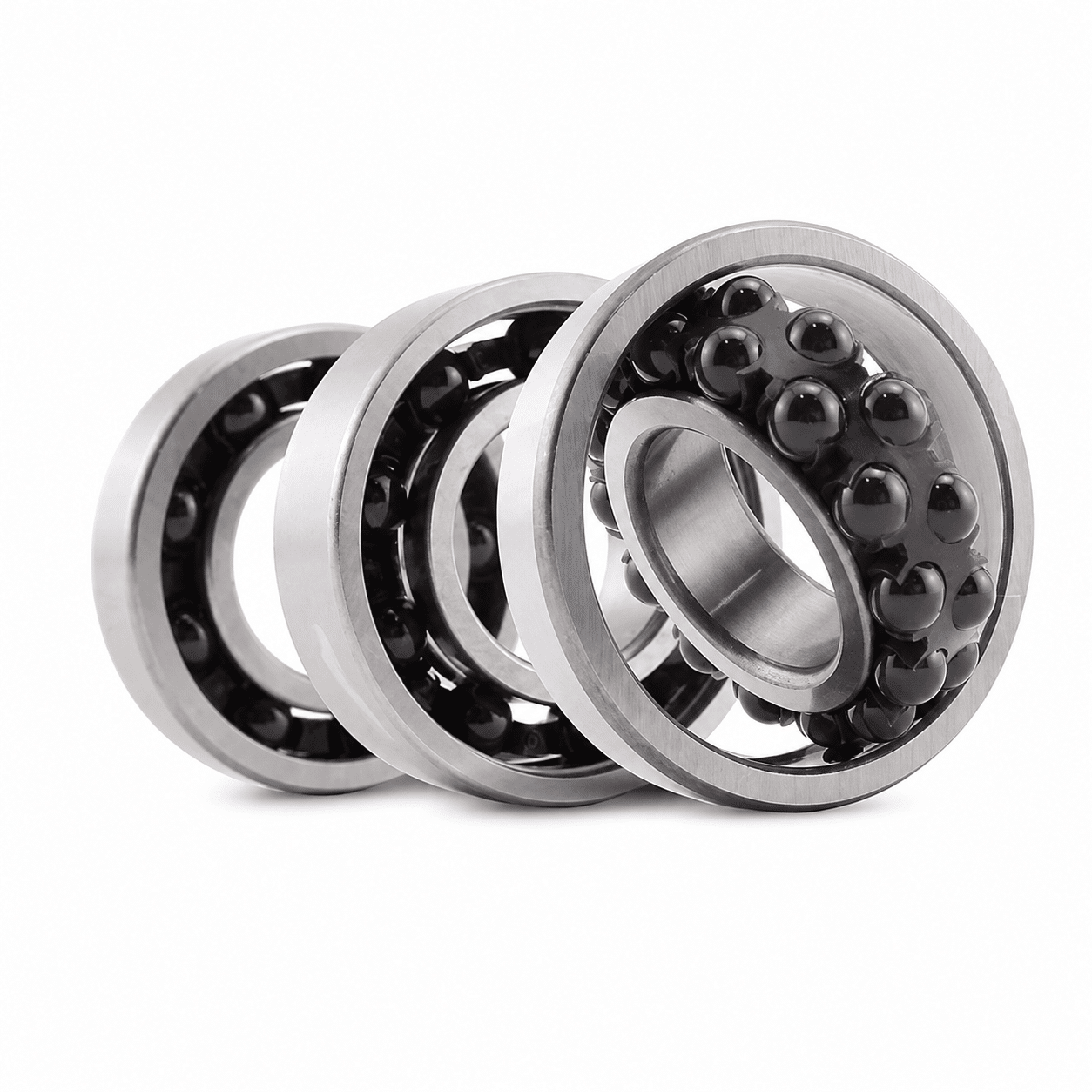
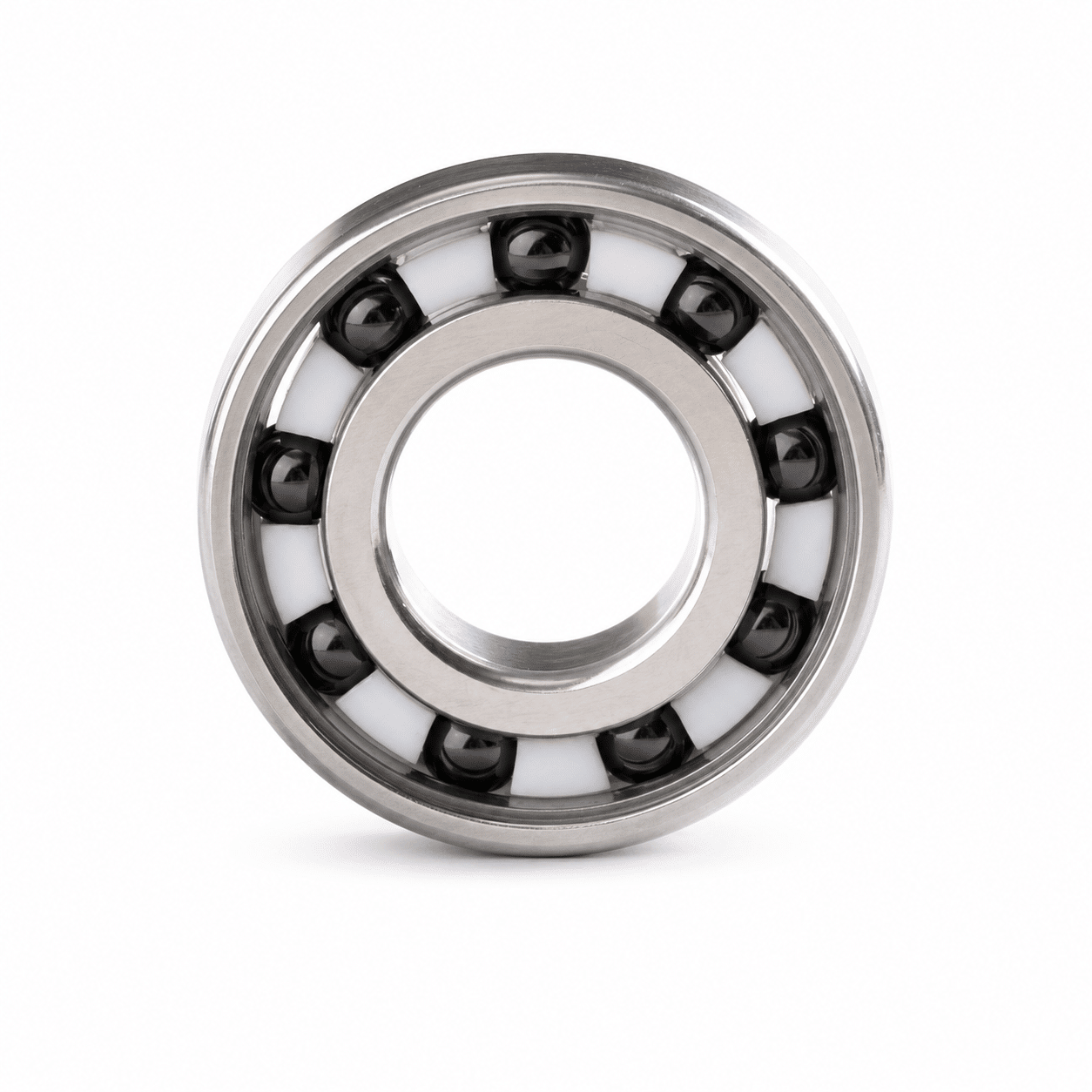
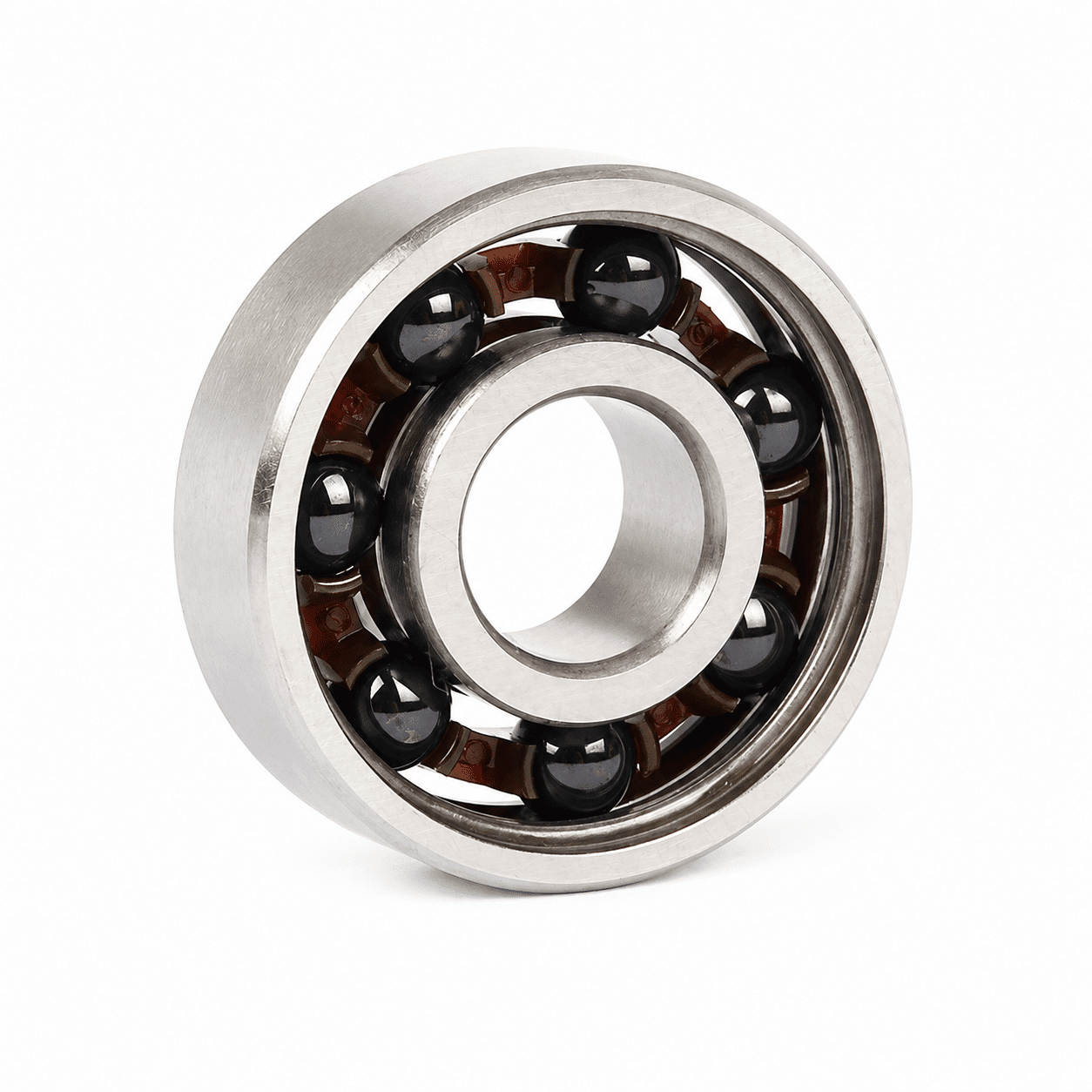
Hybrid ceramic bearings combine steel inner and outer rings with ceramic rolling elements, typically silicon nitride (Si3N4). They are commonly considered for electric motors, generators and high-speed equipment where electrical isolation or lower rolling-element mass is required.
TFL is an independent bearing supplier providing hybrid bearing sourcing and cross-reference support based on the original bearing number, dimensions and application requirements.
- Silicon Nitride Rolling Elements: Hybrid bearings commonly use Si3N4 ceramic balls or rolling elements with steel inner and outer rings. Exact material and design should be confirmed by part number.
- Electrical Isolation at the Rolling Contacts: Ceramic rolling elements provide a non-conductive separation within the normal rolling-contact path and can help reduce electrical erosion caused by current passing through the bearing.
- High-Speed Potential: The lower density of ceramic rolling elements can reduce centrifugal forces at high rotational speeds. Actual permissible speed depends on the complete bearing design, cage, load, clearance or preload, lubrication and operating conditions.
- Replacement Review: Send the existing bearing number and suffixes so dimensions, bearing design and relevant operating requirements can be compared before a replacement option is selected.
- Independent Sourcing Support: TFL provides alternative sourcing and cross-reference support. Availability depends on bearing type, part number, quantity and current supply conditions.
-
Top
Technical Specifications
Key Features & Benefits
Typical Applications
FAQ
Technical Specifications & Selection Points
|
Item
|
Typical Configuration or Selection Note
|
|---|---|
|
Bearing Construction
|
Metal rings + ceramic rolling elements
|
|
Outer Ring Material
|
Bearing steel or stainless steel
|
|
Ceramic Material
|
Silicon nitride (Si3N4) or zirconia (ZrO2)
|
|
Bearing Types
|
Deep groove ball bearings, angular contact ball bearings, self-aligning ball bearings
|
|
Dimensions
|
Standard metric sizes
|
|
Precision Class
|
P0/PN, P6, P5; angular contact bearings available up to P4 or P2
|
|
Internal Clearance
|
C0/CN, C3, C4
|
|
Cage Options
|
PTFE standard stock; PEEK optional
|
|
Sealing Options
|
Open, ZZ/2Z, 2RS
|
|
Lubrication
|
Grease or oil
|
|
Operating Temperature
|
Approx. -30°C to +120°C
|
|
Speed Range
|
Standard to high-speed industrial applications
|
|
Load Capacity
|
Standard industrial load range, model-dependent
|
|
Electrical Function
|
Electrical isolation through ceramic rolling elements
|
|
Main Applications
|
Motors, generators, traction motors, EV drives, machine-tool motors and industrial drive systems
|
Note: The ranges above describe common industrial hybrid ceramic bearing configurations and do not apply to every model. Exact dimensions, load ratings, speed limits, clearance, precision, temperature range and other specifications should be confirmed by part number before selection or replacement.
Key Features & Benefits
Typical Applications
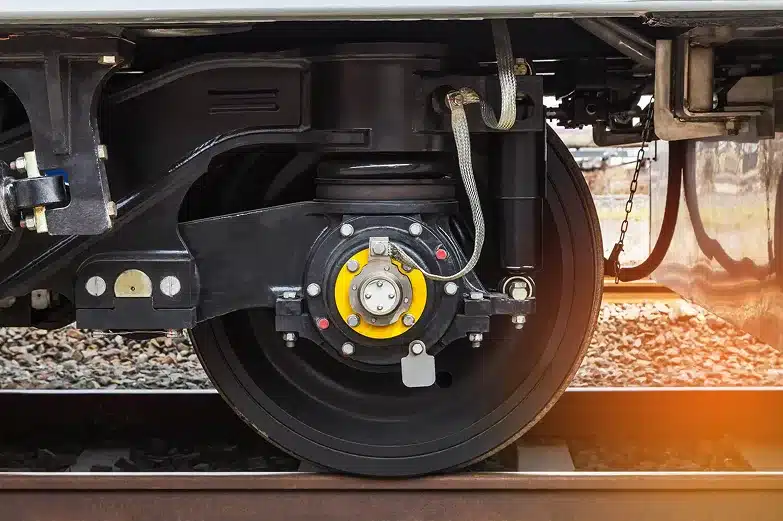
Traction Motors
Key Benefits
- Helps reduce current flow through the rolling contacts
- Suitable for high-speed motor applications
- Supports replacement and repair sourcing
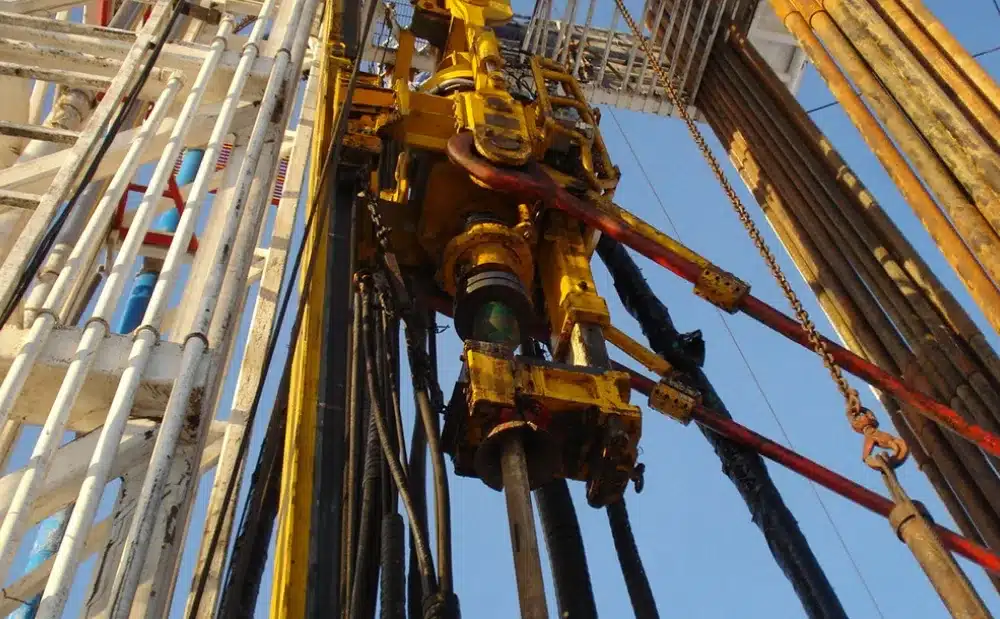
Top Drive Systems
Key Benefits
- Electrical isolation at the rolling contacts
- Can be considered for demanding drive applications
- Cross-reference support based on the original bearing number
General FAQ
Find quick answers to common inquiries about our technology, product compatibility, and ordering process.
A hybrid ceramic bearing uses steel inner and outer rings together with ceramic rolling elements. Silicon nitride (Si3N4) is commonly used for the rolling elements because it is electrically insulating and has a lower density than bearing steel.
The term “hybrid” refers to the combination of steel and ceramic materials within the same bearing.
No.
A hybrid ceramic bearing retains steel inner and outer rings and uses ceramic rolling elements. A full ceramic bearing uses ceramic materials for the rings as well as the rolling elements.
These designs have different mechanical, thermal, corrosion and application characteristics and should not be treated as interchangeable product categories.
A ceramic-coated insulated bearing normally retains steel rings and steel rolling elements but adds an electrically insulating coating to the inner or outer ring.
A hybrid ceramic bearing keeps steel rings but replaces the conventional steel rolling elements with ceramic rolling elements.
Both approaches can be considered when electrical bearing-current damage is a concern, but they use different insulation structures. The appropriate choice depends on the bearing design, size, speed, load, fits, clearance, lubrication, electrical conditions and sourcing requirements.
No bearing should be treated as a universal solution to every electrical-current problem.
Ceramic rolling elements provide electrical isolation across the normal rolling contacts and can help prevent damaging current from using that conductive path. However, motor design, grounding, inverter operation, high-frequency electrical effects and other current paths may also influence the system.
Bearing-current problems should therefore be evaluated at the system level.
In some applications, a dimensionally compatible hybrid bearing can be considered as a replacement for an all-steel bearing.
However, matching bore, outside diameter and width is not enough to establish complete compatibility.
The bearing type, internal design, speed, load rating, clearance or preload, fits, cage, precision, lubrication and operating temperature should also be checked where relevant.