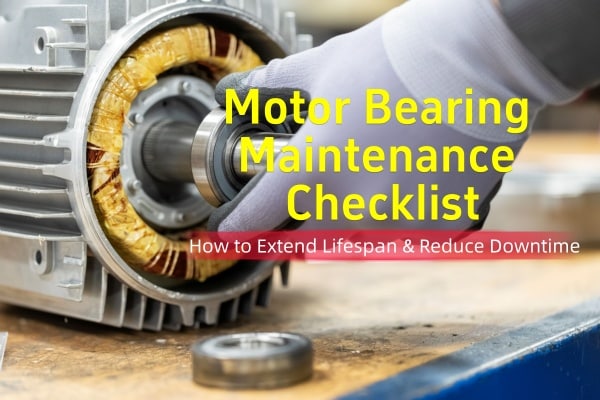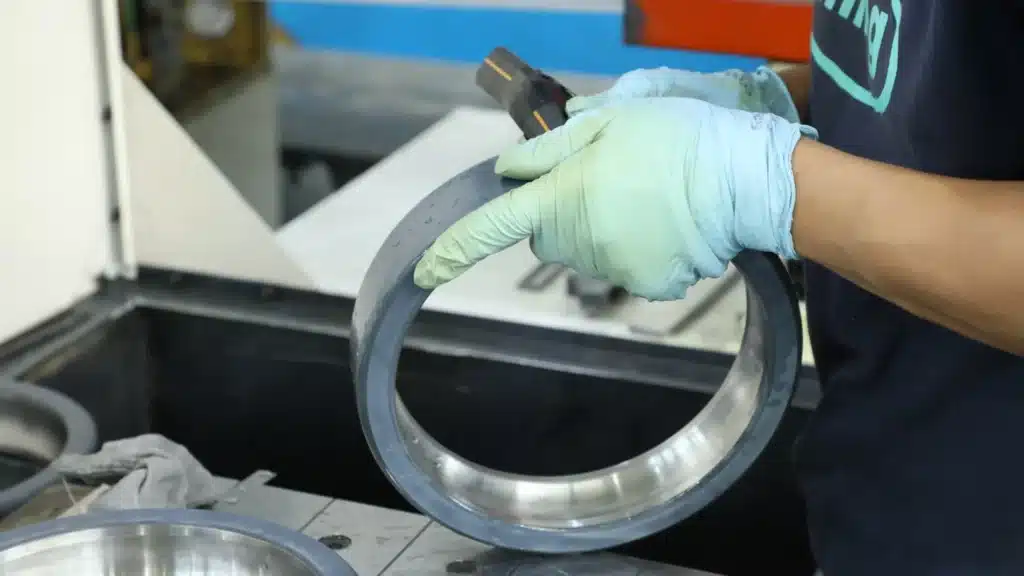

Motor bearing noise is one of the most persistent and telling signs of trouble for electric motors in every industrial sector. Whether it’s a subtle hum, pronounced rumbling, high-pitched whine, or clicking, unusual noises often point to mechanical issues that, if ignored, can spiral into costly breakdowns, unplanned downtime, and expensive repairs. Understanding the causes of bearing noise, mastering diagnostic techniques, and implementing proven prevention strategies are essential for reliability engineers, maintenance managers, and plant operators aiming for long-term equipment health. This guide explores every facet of motor bearing noise, from root causes and types of noise to step-by-step diagnosis and actionable fixes, so you can keep your machines running smoothly and quietly.
Summary Checklist for Quiet, Reliable Bearings
- Specify bearings for correct load, speed, and environment.
- Use OE-recommended lubricants and follow interval schedules.
- Install seals and shields for contaminant-rich environments.
- Use correct mounting tools and procedures-avoid hammering.
- Perform initial and periodic alignment checks using precision tools.
- Install sensors for temperature, vibration, and noise monitoring.
- Invest in insulated/hybrid bearings or shaft grounding rings for inverter-driven motors.
- Clean all maintenance areas and document every lubrication and inspection.
- Offer staff training on noise identification and troubleshooting techniques.
- Replace bearings proactively when diagnostics indicate increased risk.
Understanding Motor Bearing Noise: What is Normal vs. Abnormal?
Normal Sounds of Motor Bearings
Every electric motor naturally produces some level of sound when operating. These normal noises arise from several benign sources:
- Airflow Noise: The movement of cooling air around the motor housing often creates a consistent, low hum.
- Electromagnetic Fields: Interactions between the magnetic fields in motor windings emit a subtle acoustic signature.
- Mechanical Motion: Bearings themselves generate smooth, steady sounds as balls or rollers gently roll along raceways.
A healthy motor bearing usually produces a steady, low-level hum or gentle whir that remains consistent across a range of operating speeds and loads. This “normal” noise should not undergo sudden amplitude increases or develop distinct tonal qualities. Many plants use baseline noise signatures during regular reliability checks, enabling engineers to detect meaningful changes from regular operation.
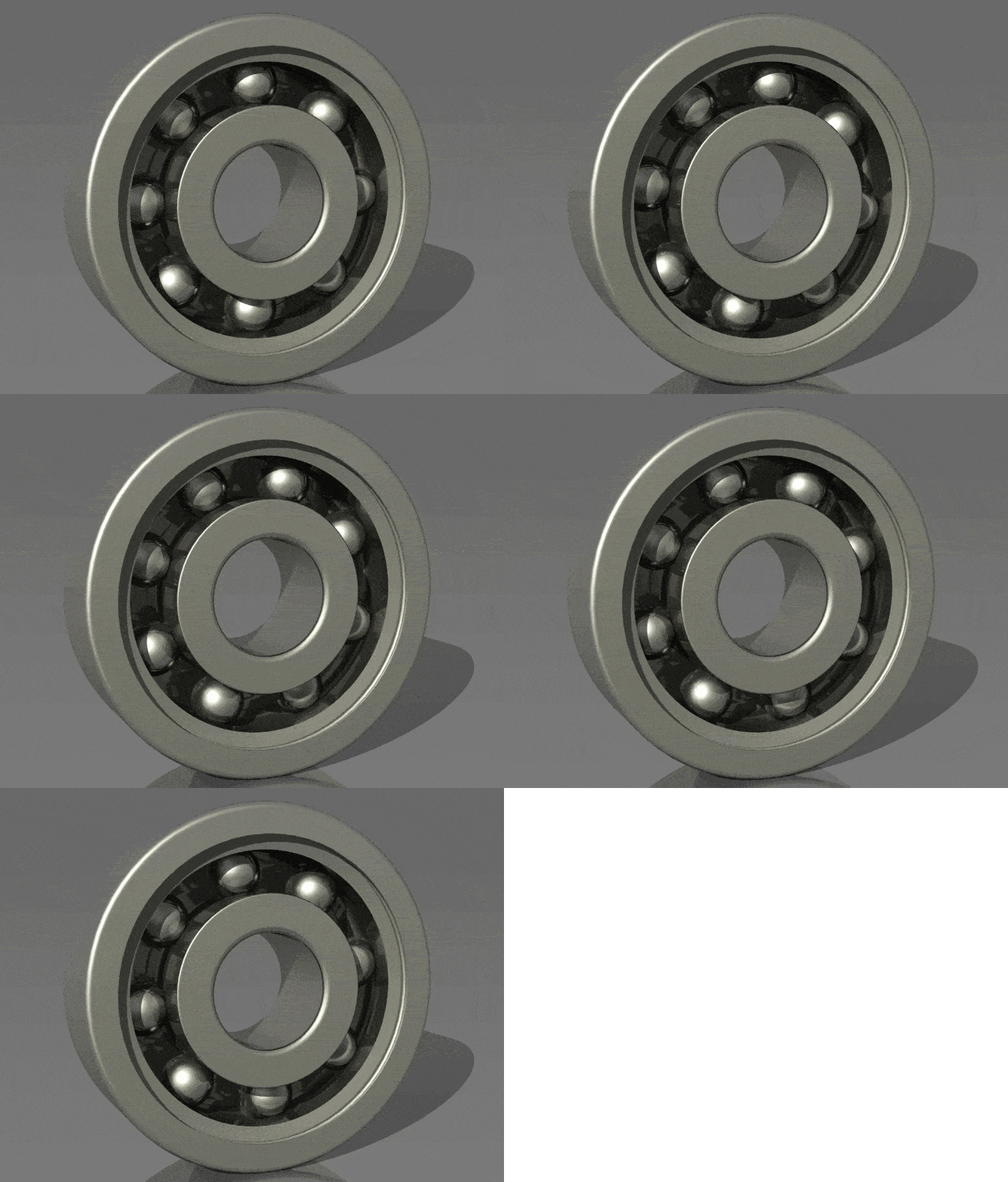
Key Components of Normal Bearing Noise
- Cage Interaction: The bearing cage or separator maintains rolling element spacing, constantly contacting balls or rollers. This interaction can produce a continuous rustling or brushing sound that blends into the general hum during operation.
- Lubricant Agitation: In grease-lubricated bearings, the rolling elements stir and redistribute grease, creating a smooth, low-frequency whirr or hum. This noise indicates the presence of lubricant and proper bearing function.
Abnormal Bearing Noises: Warning Signs
When a bearing starts to fail, the noise changes dramatically-often distinctly enough to alert attentive operators or technicians. Warning noises include:
- Squealing or Screeching: High-pitched, continuous, or intermittent sounds often caused by lubrication failure or cage instability.
- Grinding or Rumbling: Coarse, rough noises suggesting metal-to-metal contact due to degraded lubrication or surface damage.
- Clicking, Ticking, or Knocking: Intermittent or cyclical noises indicating fatigue cracks, rolling element faults, or cage defects.
- High-Pitched Whining: Frequently observed during motor startup, potentially caused by electrical erosion or bearing race degradation, especially in VFD-driven motors.
- Intermittent or Cyclical Noises: Sounds that correlate with rotor speed or loading, often indicative of localized damage like pitting or fluting.
Listen carefully, as these noises often precede severe mechanical damage, providing a valuable window for maintenance intervention before catastrophic failure.
Practical Tips for Differentiating Normal from Problematic Noise
- Establish a Baseline: Record audio signatures and vibration spectra during new or recently overhauled motor operation.
- Use Quality Diagnostic Tools: Vibration analyzers, acoustic emission sensors, and spectrum analyzers can distinguish fault frequencies associated with different types of failures.
- Perform Comparative Listening: Compare suspect machines with quiet, identical units under similar load.
- Combine with Other Diagnostics: Use noise analysis alongside temperature checks, visual inspections, and lubrication sampling to confirm the diagnosis.
- Monitor Noise Changes Over Time: Rapid increases in sound intensity or the emergence of new tonal components are red flags.
Common Causes of Motor Bearing Noise
Lubrication Issues
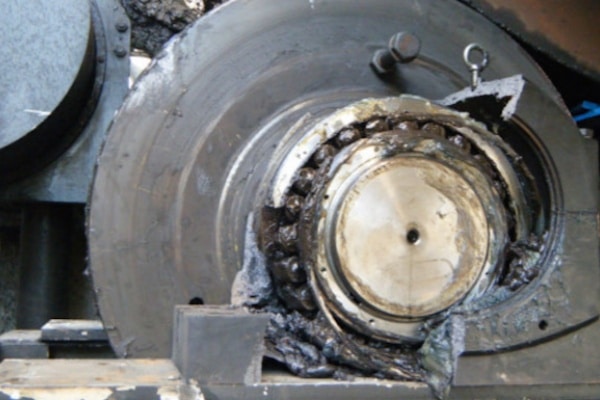
Insufficient, excess, improper, or contaminated lubrication is the leading cause of bearing noise. Lack of a healthy oil or grease film causes metal-to-metal contact, generating vibration and friction.
Contamination
Ingress of dust, water, chemicals, or metal particles leads to abrasive wear, surface roughness, and noise.
Misalignment
Improper mounting, shaft bending, coupling or pulley issues, and housing defects cause uneven load distribution and vibration, manifesting as noise.
Bearing Damage
Pitting, spalling, surface fatigue, cage damage, or false brinelling cause distinct grinding, clicking, or knocking sounds.
Electrical Erosion
VFD-driven motors and stray currents produce electrical pits and fluting that create distinctive noise patterns.
Excess Load or Speed
When bearings are undersized or pushed beyond design ratings, friction and instability produce rumbling or whistling noises.
Installation Errors
Incorrect fit, use of hammers during mounting, or insufficient preload lead to looseness, vibration, and noisy operation.
Diagnosing Motor Bearing Noise: Step-by-Step Techniques
Step 1: Listen and Identify
- Conduct a listening test at startup and under varying loads.
- Note the type, frequency, and pattern of noise (steady, intermittent, cyclical).
Step 2: Manual Rotation and Inspection
- Disconnect power; rotate the shaft by hand. Resistance, rough spots, or noise point to internal bearing issues.
- If the shaft can’t be fully rotated or emits clicking/grinding, bearing replacement may be required.
Step 3: Vibration Analysis
- Use accelerometers or vibration pens to measure overall and specific frequency vibration.
- Abnormal vibration can isolate the source to bearing, gear, or coupling issues.
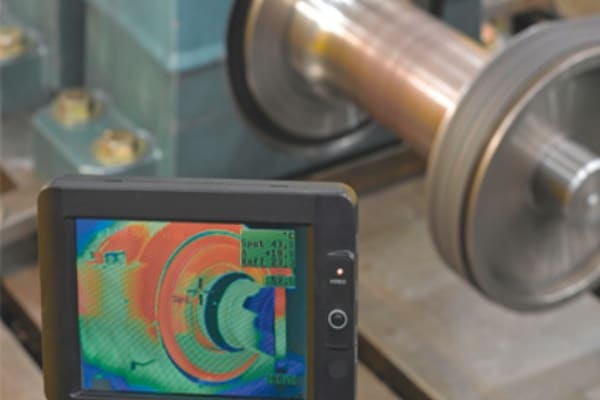
Step 4: Temperature Monitoring
- Elevated bearing temperatures often accompany noise and signal lubrication loss or excess friction.
- Use infrared thermometers or built-in thermal sensors.
Step 5: Visual Examination
- Inspect seals, shields, and exposed areas for grease leaks, contamination, or deformation.
- Disassemble and inspect bearing raceways and rolling elements for pitting, discoloration, or metal debris.
Step 6: Lubricant Analysis
- Examine grease for dark coloration, contamination, or excessive hardening/softening.
Step 7: Electrical Checks
- Use shaft voltage meters in inverter-driven systems to check for stray currents.
- Look for patterns of electrical pitting/fluting in raceways.
Preventative Strategies: How to Keep Bearings Quiet and Healthy
Lubrication Best Practices
- Use the manufacturer-recommended lubricant.
- Follow scheduled lubrication intervals based on motor duty, speed, and ambient conditions.
- Avoid over-lubrication (can cause overheating/churning and noise).
- Keep lubrication points clean and free of contaminants.
Contamination Control
- Install superior seals or shields for dusty, wet, or chemical-rich environments.
- Practice clean handling and maintenance; keep tools, parts, and hands clean during servicing.
Alignment & Installation
- Use laser shaft alignment tools for initial and periodic checks.
- Ensure correct fits-too loose means vibration, too tight increases friction.
- Never hammer bearings onto shafts; use hydraulic presses and mounting heaters.

Electrical Erosion Solutions
- Specify insulated/hybrid bearings for motors with VFDs or inverter drives.
- Install shaft grounding rings or inductive absorbers to divert or neutralize stray currents.
Load and Speed Management
- Match bearings to correct design ratings; avoid over-speeding and overload conditions.
- Use dedicated mounting procedures for high-speed, high-load motors.
Routine Monitoring and Predictive Maintenance
- Employ vibration, temperature, and acoustic sensors for ongoing performance checks.
- Record and trend data to catch deteriorating bearings before major failure.
Advanced Troubleshooting Methods and Tools
Electronic Listening Devices
- “Chassis Ear” systems can pinpoint noise sources during operation, differentiating between bearing, gear, and motor windings.
In-Line Diagnostic Software
- IoT-enabled bearing sensors transmit data for remote diagnostic analysis and lifecycle prediction.
Lubrication and Wear Analysis
- Sophisticated oil analysis can reveal particle content, water contamination, and chemical degradation-directly tied to noise and wear risk.
Training and Continuous Improvement
- Educate maintenance teams on proper lubrication, fitment, and noise recognition.
- Update procedures with every new motor or bearing model; consult OEM guidelines.
Documentation
- Keep historical logs of noise events, maintenance actions, and replacements.
- Use records to identify recurring patterns and opportunities for improvement.
Case Studies
Case 1: A steel mill suffered from persistent bearing noise and vibration. Vibration and heat sensors detected frequent spikes. The investigation found contaminated grease and undersized bearings for the load. Upgrading to synthetic lube and higher-rated bearings eliminated noise and reduced downtime by 60%.
Case 2: In a wind turbine, high-pitched bearing noise coincided with temperature surges after installing VFDs. Insulated hybrid ceramic bearings were specified, and shaft grounding rings were installed. Post-upgrade, the turbine ran quietly for over 24 months without unscheduled stops.
Practical Prevention Table
| Cause | Noise Symptoms | Diagnostics | Solution |
| Lubrication loss | Grinding, rumble | Visual, analysis | Re-lube at intervals/use synthetic |
| Contamination | Squeal, vibration | Visual, sample | Install seals/clean maintenance |
| Misalignment | Clicking, hum, chatter | Vibration, alignment check | Realign the shaft, correct the fit |
| Damage (pitting, fluting) | Knocking, cyclical | Disassembly, visual | Replace damaged bearing |
| Electrical erosion | High-pitch, ripple | Electrical test, raceway check | Hybrid/insulated bearing, ring |
| Overload/speed | Roar, instability | Review specs/load | Use rated bearing/reduce load/speed |
| Installation errors | Vibration, hum | Check fit/records | Improve installation practices |
Conclusion
Motor bearing noise is more than an annoyance—it’s an early warning system for mechanical and electrical health. By decoding the sounds, recognizing the underlying causes, using systematic diagnostic methods, and implementing practical, best-practice solutions, you can keep your motors running efficiently, quietly, and safely. Whether you face lubrication issues, contamination, misalignment, load challenges, or the complexities of modern electrical systems, this guide empowers you to solve bearing noise before it becomes costly downtime.
Eliminate Noise and Electrical Erosion with TFL Insulated Bearings
As we discussed in Section 2, electrical erosion from VFDs and stray currents is a rapidly growing cause of motor bearing noise and failure. Don’t let these silent destroyers interrupt your operations. At TFL Insulated Bearings, we specialize in cutting-edge insulated solutions designed specifically to block damaging currents, ensuring your motors run quieter and last longer.
Whether you are troubleshooting a noisy VFD-driven motor or planning a reliability upgrade, we are here to help you find the perfect fit.
Ready to silence the noise and protect your assets?
- Contact Us: Click the pop-up on the sidebar to chat with an expert instantly.
- Get a Quote: Send your requirements to info@sdtflbearing.com.
- Speak to an Engineer: Call us directly at +86 15806631151.
Stop the noise before it stops your production—reach out to TFL today.