Introduction
Motor bearings are the silent workhorses within industrial machinery, power generation, transportation, and countless other applications. When operating correctly, they enable smooth, efficient rotation for years, often with little attention. However, when bearings start to fail, the consequences can cascade: from increased noise and vibration to catastrophic breakdown and expensive unscheduled downtime. Proactive detection of motor bearing issues, combined with fast, informed fixes, is essential to avoid costly failures and maximize reliability. This comprehensive guide explains the top signs of motor bearing failure, the science behind their causes, and step-by-step solutions to intervene before severe damage occurs.
Throughout this article, you’ll discover:
- The early warning signs that indicate a motor bearing is beginning to fail.
- How abnormal noise, vibration, and overheating reveal specific underlying problems.
- The most common causes of bearing failure including lubrication issues, contamination, and misalignment.
- How improper installation and electrical erosion accelerate wear and shorten equipment lifespan.
- Practical troubleshooting steps to diagnose bearing problems before costly damage occurs.
- Effective maintenance strategies to extend motor bearing life and improve system reliability.
- When replacement is necessary — and how to prevent the same issues from recurring.
Let’s begin by understanding what these bearings really are — and why they matter.
Why Monitoring Bearing Health Matters
Monitoring the health of motor bearings is a critical part of maintaining industrial machinery, power generation equipment, and transportation systems. Early and continuous monitoring is essential because motor bearings, while designed to operate reliably for years, are subject to intense mechanical loads, high rotational speeds, and harsh environmental conditions-all factors that can accelerate deterioration if unnoticed.
Preventing Machine Damage
Unchecked bearing problems do not remain isolated. When bearings begin to degrade-whether from wear, insufficient lubrication, contamination, or misalignment-the damage often spreads to adjacent components. Misaligned bearings can cause shaft bending, housing distortion, and premature failure of seals or couplings. Neglecting these early signs may result in catastrophic breakdowns that bring entire production lines or plant systems to a halt, causing hours or even days of costly downtime.
Improving Workplace Safety
Faulty bearings can lead to overheating, abnormal vibration, and even the risk of seizure. Overheating bearings may become fire hazards due to grease or oil combustion. Additionally, sudden bearing failure in rotating equipment can cause mechanical disintegration, endangering nearby personnel or critical controls. By monitoring bearing health closely, operators improve not just equipment uptime but overall workplace safety.
Minimizing Repair and Replacement Costs
Planned maintenance based on early detection is far more cost-effective than emergency repairs. Bearings replaced proactively, when subtle symptoms arise, significantly reduce the risk of secondary machine damage. Preventing sudden failures avoids expensive premium repair costs, expedited shipping fees for parts, and lost production revenue. Moreover, timely interventions extend overall equipment life, amortizing capital investments across longer intervals.
Extending Equipment Life and Reliability
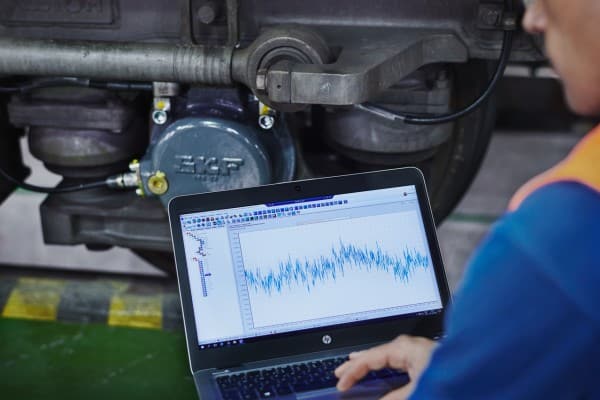
Consistent attention to bearing vibration, temperature, noise, and lubricant condition allow maintenance teams to schedule interventions before irreversible damage occurs. Advanced monitoring technologies such as vibration analysis sensors, acoustic emission detectors, infrared thermography, and lubricant sampling empower facility managers to refine their maintenance strategies with predictive insights. The result is enhanced system reliability, optimized maintenance budgeting, and smoother operation aligned with production goals.
Supporting Modern Predictive Maintenance Strategies
While traditional preventive maintenance schedules still play a role, modern plants increasingly rely on condition-based and predictive approaches for bearing health. Integrating sensor data with intelligent analytics platforms enables early anomaly detection, automatic alerts, and even machine learning-driven forecasts of remaining bearing life. However, despite technological advancements, the fundamental ability to recognize classic symptoms and root-causes remains crucial for all personnel involved, from the shop floor to engineering oversight.
Top Signs of Motor Bearing Failure
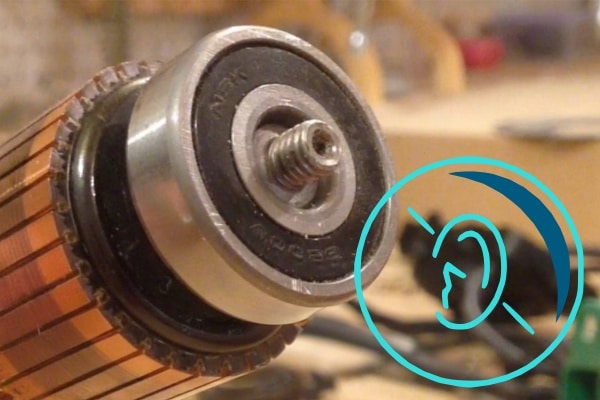
1. Excessive Noise: Squealing, Grinding, or Rumbling
Description: Healthy bearings run smoothly and almost silently. When noises such as squealing, grinding, rumbling, or knocking are present, it’s a strong sign of internal degradation.
Common Causes: Lubrication failure, contamination by dirt/metal particles, misalignment, or material fatigue.
How to Fix:
- Immediately investigate and safely shut down the motor if the noises intensify.
- Clean the bearing and housing if contamination is evident.
- Check for proper lubrication-regrease or change lubricant as specified.
- If there’s visible damage, replace the bearing to prevent secondary failures.
2. Unusual Vibration or Shaking
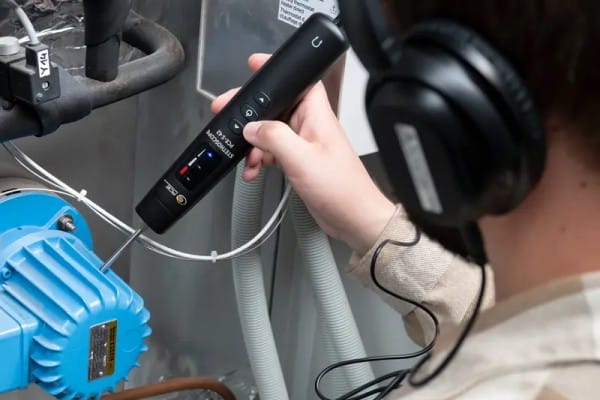
Description: A failing bearing often produces excessive or abnormal vibration, detectable by hand or vibration sensors.
Common Causes: Imbalance, misalignment, surface damage (pitting, spalling), or improper installation.
How to Fix:
- Use a vibration analysis tool to pinpoint the problem.
- Realign the motor shaft and mounting if misalignment is found.
- Replace the bearing if structural degradation (pitting/spalling) is detected.
- Ensure installation procedures and tolerances follow manufacturer guidelines.
3. Overheating and High Bearing Temperature
Description: Bearings running too hot indicate overloaded conditions, friction buildup, or lubrication failure.
Detection: Check with an infrared thermometer or temperature sensor; a sudden temperature rise warrants immediate attention.
Common Causes: Overloaded bearing, poor lubrication, contamination, excessive speed, or insufficient cooling.
How to Fix:
- Ensure proper type and amount of lubricant is present.
- Inspect for blocked ventilation or cooling systems.
- Reduce load or speed to within design limits.
- Replace damaged bearings and correct underlying issues.

4. Visual Signs: Pitting, Corrosion, or Discoloration
Description: A close inspection may reveal small craters (pitting), peeling (spalling), visible corrosion, or blackened grease (from overheating or electrical discharge).
Common Causes: Contaminated lubricant, electrical erosion (especially in VFD-driven motors), high moisture, or chemical attack.
How to Fix:
- Immediately replace bearings with significant pitting, as they risk sudden failure.
- Clean or flush the housing to remove contaminants.
- Install seals or shields to prevent ingress.
- For electrical pitting, use insulated or hybrid bearings.
5. Lubrication Issues: Leakage, Dryness, or Contamination
Description: Bearings require the right amount of clean lubricant. Both over-lubrication and under-lubrication hasten failure, while contaminated grease spreads abrasive particles.
Common Causes: Too much or too little grease, wrong lubricant type, moisture ingress, or seal failure.
How to Fix:
- Refer to the manufacturer’s lubrication schedule-typically re-lubricate after every 2,000 operational hours or three months.
- Use the correct grease/lubricant and avoid mixing types unless proven compatible.
- If contamination is noted, clean and repack the bearing, or replace the seal if damaged.
6. Loss of Performance: Increased Power Consumption or Reduced Output
Description: A deteriorating bearing increases friction, forcing the motor to consume more electricity and deliver less effective power transfer.
Common Causes: Internal wear, lubricant breakdown, or surface roughness.
How to Fix:
- Track energy consumption for unexplained increases.
- Schedule inspection and replacement if a persistent performance drop is linked to vibration or temperature alarms.
7. Frequent Starts, Stops, or Unexpected Shutdowns
Description: Bearings in poor condition may cause intermittent seizure or force the motor’s protection system to trip repeatedly.
Common Causes: Seized or brinelled bearings, excessive load, or frequent overheating.
How to Fix:
- Examine and replace any seized or brinelled bearings promptly.
- Address underlying issues causing shock loads (e.g., load spikes or excessive cycling).
- Upgrade bearing type if the current design is inadequate for the operating cycle.
Root Causes of Bearing Failure
Understanding why bearings fail helps prevent repeat incidents. Common root causes include:
- Lubrication Failure: Most frequent cause-whether through lack, excess, wrong type, or contamination.
- Contamination: Ingress of dust, water, metal particles, or chemicals leads to rapid wear.
- Misalignment: Shaft or housing misalignment increases load and friction.
- Electrical Erosion: Stray currents (especially from VFD/inverter-driven motors) cause pitting/fluting.
- Overloading: Operating beyond design load accelerates fatigue and brinelling.
- Improper Installation: Incorrect mounting, tool use, or fits lead to stress.
- Environmental Factors: Exposure to extreme temperatures or corrosive atmospheres.
How to Fix Bearing Problems Before Damage Occurs
Step 1: Implement Predictive Maintenance
- Use vibration analysis, acoustic monitoring, infrared thermography, and regular manual inspections.
- Track baseline readings and investigate trends in vibration, noise, and temperature for subtle changes.
- Schedule downtime for any anomaly before catastrophic failure occurs.
Step 2: Ensure Proper Lubrication
- Develop a consistent lubrication schedule in line with the manufacturer’s recommendations.
- Use only the recommended lubricant and avoid mixing types.
- Monitor lubricant condition for dirt, water, or breakdown and replace proactively.
Step 3: Control Contamination
- Always install or replace bearing seals/shields as needed to keep out contaminants.
- Maintain clean work areas and use appropriate filters or breathers on lubrication systems.
- For severe environments, consider specialty bearings designed for contamination resistance.
Step 4: Correct Alignment and Installation
- Use laser alignment tools for shaft/motor alignment.
- Follow manufacturer mounting procedures.
- Periodically check for loosening or shifting of housings and re-align as required.

Step 5: Monitor Load and Speed
- Avoid exceeding the rated load during operation.
- Install load sensors and tachometers on critical equipment to alert for overloads or overspeed events.
- Match bearing type and class to expected loads and operational speeds.
Step 6: Mitigate Electrical Issues
- For VFD-driven motors, specify insulated or hybrid ceramic bearings.
- Use shaft-grounding rings or brushes to divert stray currents harmlessly to ground.
- Monitor for abnormal electrical activity or heat signatures around the bearing.
Step 7: Educate and Train Your Team
- Teach operators and technicians the warning signs of bearing failure.
- Encourage prompt reporting and regular checks.
- Keep maintenance records to spot recurrent trends.
When to Repair vs. Replace
- Repair only when the root cause is minor (e.g., lubrication issue, small contamination, misalignment) and there is no surface damage or excessive wear.
- Replace promptly if there’s any evidence of pitting, spalling, fluting, overheating, or seizing, as failure risk is imminent.
Prevent Electrical Failure with TFL Insulated Bearings
As we discussed in the root causes of failure, electrical erosion is a silent killer, especially for motors driven by Variable Frequency Drives (VFDs). Stray currents can cause pitting and fluting that standard bearings simply cannot withstand. At TFL Insulated Bearings, we specialize in protecting your machinery from these exact electrical hazards. Our advanced insulated solutions are designed to block stray currents, ensuring your motors run smoother and last longer.
Don’t wait for your next unexpected shutdown. Upgrade your reliability strategy today.
Ready to extend your equipment life?
- Contact us for a custom consultation.
- Email us: info@sdtflbearing.com
- Call us: +86 15806631151