

Introduction
Motor bearing overheating is one of the most common and costly failures affecting electric motors, from manufacturing lines and pumps to HVAC equipment and industrial transport systems. When bearings run too hot, they risk not only premature wear but also catastrophic failure, unplanned downtime, and expensive machine damage.
A practical bearing overheat indicator is not only one device or sensor. It can be a rising bearing housing temperature, abnormal vibration, burnt grease, discoloration, noise, increased motor current, or an alarm from an infrared meter or temperature monitoring system. When these indicators appear, maintenance teams should check lubrication, load, speed, bearing fit, alignment, cooling conditions, contamination, and possible electrical discharge damage before simply replacing the bearing.
If your motor bearing repeatedly overheats, send the bearing model, dimensions, operating speed, load condition, application details, photos, or drawings to TFL Bearing for selection support. This guide explains the main bearing overheating causes, warning signs, inspection points, and practical fixes.
Bearing Overheating Causes, Symptoms & Fixes
| Cause | Common Overheat Indicator | What to Check or Fix |
| Too tight or too loose fit | Noise, heat, race creep, abnormal wear | Check shaft and housing tolerances; select the correct fit and internal clearance |
| Lubrication failure | Dry grease, burnt smell, heat, darkened lubricant | Clean and relubricate with the correct grease or oil type and quantity |
| Overload or excessive speed | Rapid temperature rise, vibration, early wear | Reduce load/RPM, check duty cycle, or select a bearing with higher capacity |
| Misalignment or imbalance | Vibration, uneven heat, coupling noise | Realign shafts, couplings, pulleys, and motor mounting surfaces |
| Environmental contamination | Rust, debris, seal damage, lubricant breakdown | Improve sealing, clean the area, and protect the bearing from dust, moisture, and chemicals |
| Mechanical wear or damage | Grinding noise, discoloration, pitting, metal debris | Replace the bearing and inspect shaft, housing, and connected components |
| Electrical discharge current | Fluting marks, vibration, recurring heat, premature failure | Use insulated bearings or other shaft grounding / current protection solutions where needed |
Bearing Overheat Indicator: What to Check First
When a bearing overheat indicator appears, the first step is to decide whether the problem is temporary operating heat or a developing failure. Do not rely on temperature alone. A bearing may still be in danger if vibration, noise, lubricant condition, and current draw are also changing.
| Indicator | Possible Meaning | Recommended Action |
| Temperature rises quickly after startup | Too much grease, tight fit, preload, or misalignment | Check lubrication quantity, shaft/housing fit, and installation method |
| Temperature keeps rising during operation | Overload, poor cooling, or lubricant breakdown | Check load, speed, ventilation, grease condition, and motor environment |
| Grinding or squealing noise | Metal-to-metal contact, damage, or lack of lubrication | Stop and inspect bearing surfaces, lubricant, cage, and seals |
| Burnt or hardened grease | Excessive temperature or wrong lubricant | Clean the bearing area and use the correct high-temperature or application-specific lubricant |
| Blue, brown, or black discoloration | Severe heat exposure | Replace the bearing and inspect connected shaft and housing parts |
| Repeated overheating after replacement | Root cause not solved | Review fit, alignment, load, speed, environment, and possible electrical current damage |
Need help confirming the right replacement? Send your bearing model, size, quantity, motor application, speed/load condition, and failure photos through the TFL contact form. Our team can help review the possible overheating cause and recommend a suitable motor bearing solution.
What Is Motor Bearing Overheating?
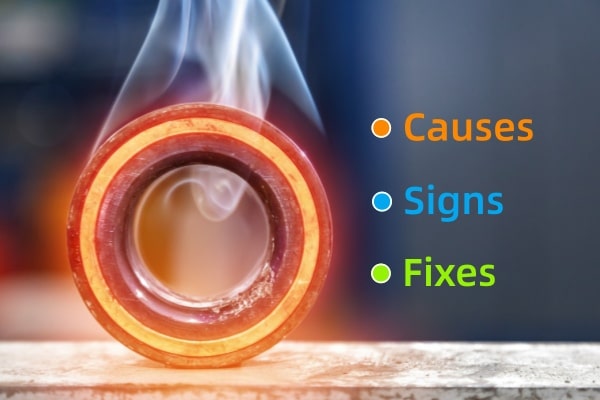
Motor bearing overheating occurs when a bearing’s operating temperature rises beyond its safe design limits, compromising lubrication, causing material deformation, and ultimately risking catastrophic failure. For rolling bearings, such as ball bearings or roller bearings, many maintenance teams treat continuous operation near 95°C / 203°F as a serious warning level. Sliding or plain bearings often require lower temperature limits. The exact acceptable range depends on bearing design, lubricant, speed, load, seals, and motor environment.
The Science of Overheating
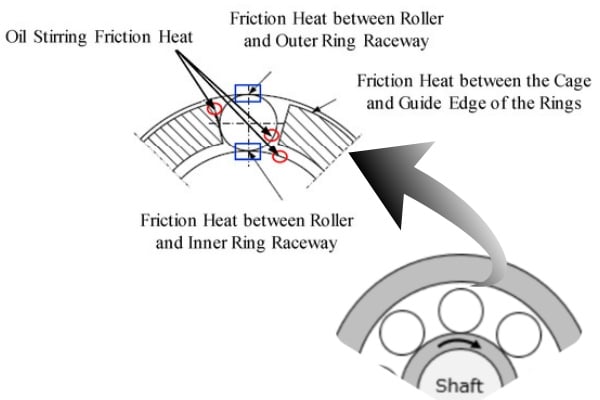
Friction generated between rolling elements and raceways naturally produces heat during operation. Under normal conditions, this heat dissipates through lubrication, bearing housing contact, and motor ventilation. However, if excessive friction develops due to poor lubrication, overload, misalignment, contamination, incorrect fit, or electrical discharge damage, heat can accumulate faster than it dissipates.
This thermal stress causes metal components to expand, altering internal clearance and increasing preload. Once friction increases, the bearing may enter a negative cycle: more heat creates less lubricant film, less lubricant film creates more friction, and more friction creates even higher temperature.
Why Is Overheating So Dangerous?
- Lubricant breakdown: Elevated temperature degrades grease or oil, reduces viscosity, and weakens the protective film between rolling elements and raceways.
- Material damage: Metal surfaces can weaken, deform, pit, smear, or weld together under severe friction and heat.
- Seal failure: Excessive heat may harden or deform seals, allowing contamination to enter and lubricant to leak out.
- Operational risk: Overheated bearings can increase motor load, raise power consumption, trigger overload trips, and cause unplanned shutdowns.
Common Contributors to Bearing Overheating
- Incorrect bearing fit causing excessive friction or race creep.
- Insufficient, excessive, incorrect, or contaminated lubrication.
- Operation above the bearing’s speed, load, or duty-cycle capability.
- Poor motor cooling, blocked ventilation, or high ambient temperature.
- Shaft misalignment, imbalance, bent shaft, or improper coupling installation.
- Dust, moisture, chemicals, and other contaminants entering the bearing area.
- Electrical discharge current in inverter-driven motors, which may cause fluting, vibration, and premature bearing damage.
The Science: Why Do Bearings Overheat?
Motor bearings generate some heat during normal operation because balls or rollers move along raceways under load. When this heat becomes excessive, it usually means the bearing system is no longer balanced. Heat may come from mechanical friction, lubrication failure, external load, installation error, contamination, or electrical damage.
1. Improper Bearing Fit and Installation
- Too tight: Reduces internal bearing clearance, increases preload, and creates excessive friction and heat.
- Too loose: Allows the inner ring or outer ring to creep, generating friction between the ring and shaft or housing.
- Incorrect mounting: Hammering, cocked mounting, poor heating methods, or uneven force can damage raceways before the motor starts.
- Misalignment: Rotor-stator misalignment or shaft/coupling misalignment imposes abnormal forces and creates local overheating.
2. Lubrication Problems
Lubrication failure is one of the most common causes of bearing temperature rise. The lubricant must create a stable film, reduce friction, resist oxidation, and transfer heat away from the contact area.
- Too little lubricant: Causes metal-to-metal contact, friction, noise, and rapid heating.
- Too much grease: Creates churning, increases drag, and may prevent effective heat dissipation.
- Wrong lubricant: A grease or oil with unsuitable viscosity, temperature range, or additive package can fail under load.
- Contaminated lubricant: Dust, water, chemicals, or old grease can form abrasive paste and accelerate heat-related damage.
3. Excessive Load or Speed
Operating above the bearing’s load or speed capability increases friction, raises temperature, and may crush the lubricant film. Axial or radial overload can come from belt tension, misaligned couplings, process jams, oversized pulleys, or incorrect machine setup.
- High speed increases frictional heat and may require a different cage, clearance, lubricant, or bearing type.
- Excessive radial load can create high contact stress and local heating.
- Unexpected axial load can push the bearing into an operating condition it was not selected for.
4. Environmental and Operational Factors
- High ambient temperature, enclosed motor spaces, and blocked ventilation restrict natural and forced cooling.
- Dust buildup on the motor housing can reduce heat transfer and hide early warning signs.
- Ingress of moisture, chemicals, or abrasive dust can degrade lubrication and damage bearing surfaces.
- External process heat may raise the bearing’s starting temperature before any mechanical problem appears.
5. Mechanical Defects and Wear
- Worn balls, rollers, cages, or rings create more friction and vibration.
- Pitting, scoring, peeling, flaking, or brinelling can rapidly escalate temperature.
- A damaged cage may cause rolling elements to skew, slide, or concentrate load in one area.
Warning Signs and Symptoms of Motor Bearing Overheating
Many overheating problems show early signs before final failure. For a broader failure checklist, see our guide to the top signs of motor bearing failure.
Visual and Physical Clues
- Discoloration: Bluish, brown, or blackened raceways may indicate heat exposure.
- Cracked, melted, or smeared metal: Advanced failure may show material displacement or metal transfer marks.
- Dry or leaking lubricant: Hardened, burnt, or darkened grease is a strong bearing overheat indicator.
- Seal deformation: Heat may harden, crack, or distort seals, allowing contamination and lubricant loss.
Audible and Performance Alerts
- Abnormal grinding, squealing, humming, or knocking noises.
- Sudden increases in bearing housing temperature.
- Motor drawing more current or tripping overload protection.
- Increased vibration or changes in vibration frequency patterns.
- Shaft endplay, runout, or coupling movement outside specification.
Monitoring Best Practices
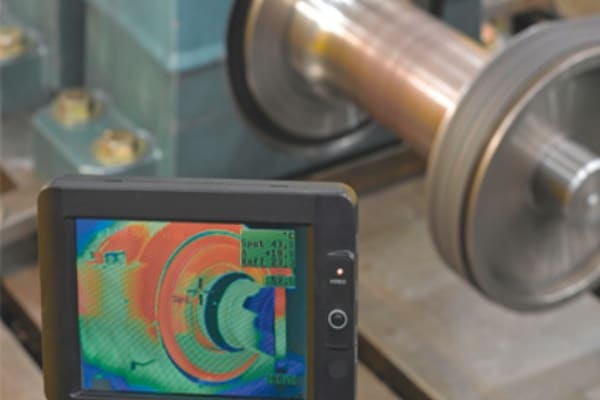
- Use infrared thermography, spot temperature meters, vibration sensors, and current monitoring for continuous or scheduled checks.
- Compare current readings with the machine’s historical baseline instead of relying only on a single absolute temperature.
- Set warning and shutdown levels according to bearing type, lubricant, motor design, and plant safety requirements.
- Record each overheating event, lubrication change, bearing replacement, and inspection result for root cause analysis.
Diagnosing the Root Cause
Troubleshooting begins with confirmation of overheating, then a systematic review of likely causes. Avoid replacing the bearing before identifying why the temperature increased. Otherwise, the new bearing may fail in the same way.
1. Check Lubrication
- Inspect grease or oil for breakdown, contamination, hardening, discoloration, or incorrect type.
- Confirm whether the motor was recently serviced with a new lubricant or different grease brand.
- Check whether the correct quantity was used and whether excess grease is causing churning.
- Review relubrication intervals, duty cycle, and environmental changes.
2. Evaluate Fits, Tolerances, and Mounting
- Confirm whether the bearing was recently replaced or remounted.
- Check whether heating tools, presses, sleeves, and mounting procedures were used correctly.
- Measure shaft and housing fits according to specification.
- Look for signs of race creep, brinelling, fretting, or uneven contact.
- For more detail, review our guide to bearing fits and tolerances in electric motors.
3. Measure Alignment and Loads
- Check for shaft misalignment, bent shafts, off-center couplings, and improper pulley setup.
- Use dial indicators, laser alignment tools, or vibration data where possible.
- Inspect belt tension, pulley size, axial end load, and connected equipment load.
- Verify whether the bearing type is suitable for the actual radial and axial load direction.
4. Inspect Environmental Factors
- Confirm whether the motor is properly ventilated and free from blocked air passages.
- Check for dust, moisture, water ingress, chemicals, or external process heat.
- Review whether the motor mounting orientation or housing design hinders heat dissipation.
- Consider whether sealed, shielded, or insulated bearing options are more appropriate for the application.
5. Examine Bearing Condition
- Check for wear, pitting, scoring, peeling, or flaking on raceways and rolling elements.
- Inspect the cage for cracking, deformation, wear marks, or looseness.
- Look for fluting or washboard-like marks that may indicate electrical discharge current.
- In extreme cases, melted, deformed, or discolored components confirm severe overheating.
Best-Practice Fixes for Motor Bearing Overheating
Fit and Installation Corrections
- Use the manufacturer-recommended fit and avoid assuming that “tighter is always better.”
- Measure shaft and housing tolerances; re-machine or replace parts if they are out of specification.
- Heat bearings correctly for interference fits and never hammer directly on the bearing.
- Reevaluate internal clearance and preload if overheating appears after installation.
Lubrication Solutions
For detailed lubrication practices, see our complete guide to motor bearing lubrication.
- Audit lubricant selection and confirm it is suitable for speed, temperature, load, and environment.
- Do not over-lubricate; follow the correct fill quantity and relubrication interval.
- For high-speed motors, use suitable lower-viscosity or specialty greases where required.
- Use clean tools and prevent contamination at lubrication points.
- Consider automated lubrication systems for critical machines.
Load and Alignment Corrections
- Rebalance and realign shafts, couplings, fans, and pulleys.
- Adjust belt tension and ensure pulleys are not undersized or positioned too far from the bearing.
- Check whether the bearing type and internal clearance match the actual duty cycle.
- Reduce excessive radial or axial load where possible.
Environmental and Cooling Improvements
- Improve airflow with cleaner ventilation passages, fans, or heat exchangers.
- Relocate or shield motors operating near external heat sources.
- Use sealed or shielded bearings where dust, moisture, or contamination is present.
- Keep motor housings and surrounding areas clean to support heat dissipation.
Electrical Damage Protection
In inverter-driven motors, bearing current may create electrical discharge damage. This can lead to fluting, vibration, noise, grease degradation, and repeated bearing overheating. In these applications, insulated motor bearings can help block current passage through the bearing and improve long-term reliability.
- Inspect failed bearings for fluting or electrical pitting patterns.
- Review whether the motor uses a variable frequency drive or similar inverter system.
- Consider insulated bearings, grounding rings, or other current mitigation methods according to the motor design.
When to Replace Instead of Repair
Overheating that results in visible discoloration, metal fusion, cracks, cage deformation, or grease that has turned into a hard cake usually requires bearing replacement. Do not simply add more lubricant to a bearing that has repeatedly overheated. The underlying cause must be corrected first, or the replacement bearing may fail again.
After removing an overheated bearing, inspect the shaft, housing, seals, coupling, fan, lubrication path, and surrounding machine components. A failed bearing is often the visible result of a larger system problem.
Prevention Strategies for Long-Term Reliability
- Specify bearings for expected load, speed, temperature, and environment, not only average conditions.
- Match bearing fit, internal clearance, and preload to the motor design and duty cycle.
- Use clean, compatible, and application-specific lubricants; never mix unknown old and new greases.
- Schedule regular temperature, vibration, and lubrication inspections before symptoms become severe.
- Record bearing replacements, lubrication changes, temperature readings, and failure photos for future diagnosis.
- For inverter-driven motors, evaluate whether insulated bearings are needed to reduce electrical discharge damage.
How to Select a Replacement Bearing After Overheating
Selecting the right replacement bearing depends on more than the bearing model number. If overheating was caused by speed, load, fit, lubrication, contamination, or electrical current, the replacement should address that root cause.
- Confirm the original bearing number: Include suffixes such as clearance, cage, seal type, precision grade, or insulation code.
- Check dimensions: Inner diameter, outer diameter, width, and shaft/housing tolerance should be verified.
- Review operating conditions: Speed, load, temperature, motor type, lubrication method, and environment all affect selection.
- Consider insulation: If the motor uses a VFD or shows electrical pitting/fluting, insulated bearings may be required.
- Share failure photos: Images of grease, raceways, cage, seals, and discoloration help identify the overheating cause.
For motor bearing replacement support, you can review our insulated bearing products or contact TFL Bearing with your model number and application details.
FAQ: Bearing Overheat Indicator and Bearing Overheating Causes
What is a bearing overheat indicator?
A bearing overheat indicator is any sign or monitoring signal showing that a bearing is running hotter than normal. Common indicators include a rising housing temperature, infrared temperature readings, vibration alarms, burnt grease, discoloration, abnormal noise, increased motor current, or repeated overload trips.
What are the most common bearing overheating causes?
The most common bearing overheating causes include lubrication failure, incorrect fit, excessive load or speed, shaft misalignment, contamination, poor cooling, mechanical wear, and electrical discharge current in inverter-driven motors.
What temperature indicates that a motor bearing is overheating?
The warning temperature depends on bearing type, lubricant, speed, load, and motor design. Many maintenance teams treat a fast temperature rise, repeated operation above the historical baseline, or continuous operation near high warning levels as a reason to inspect the bearing immediately.
When should I use insulated bearings to solve overheating?
Use insulated bearings when overheating or premature failure may be related to electrical discharge current, especially in motors driven by variable frequency drives. Signs may include fluting marks, electrical pitting, vibration, repeated bearing failure, and grease degradation without a clear mechanical cause.
What information is needed for a bearing overheating quotation?
Send the bearing model number, dimensions, quantity, motor type, application, operating speed, load condition, temperature history, lubrication method, photos, and any available drawings. This helps confirm whether a standard bearing, insulated bearing, special clearance, special cage, or different lubrication solution is needed.
Conclusion
Overheating in motor bearings is a serious but preventable threat to motor health and plant productivity. By recognizing early indicators, identifying root causes, and applying proactive maintenance, you can reduce downtime, extend bearing life, and keep the entire drive system running reliably.
Solve Overheating for Good with TFL Insulated Bearings
At TFL Insulated Bearings, we understand that controlling temperature is critical to motor reliability. Mechanical friction is a major heat source, but electrical discharge current can also cause rapid bearing damage and premature failure. We supply insulated motor bearings designed to help protect motors from electrical damage and improve long-term operating stability.
If you are facing persistent bearing overheating, repeated motor bearing failures, or need advice on the best bearing fit for your application, contact us for selection support.
- Email Us: [email protected]
- Call Us: +86 15806631151
- Action: Use the chat button on the sidebar or send your bearing model, photos, and application details through the contact form.