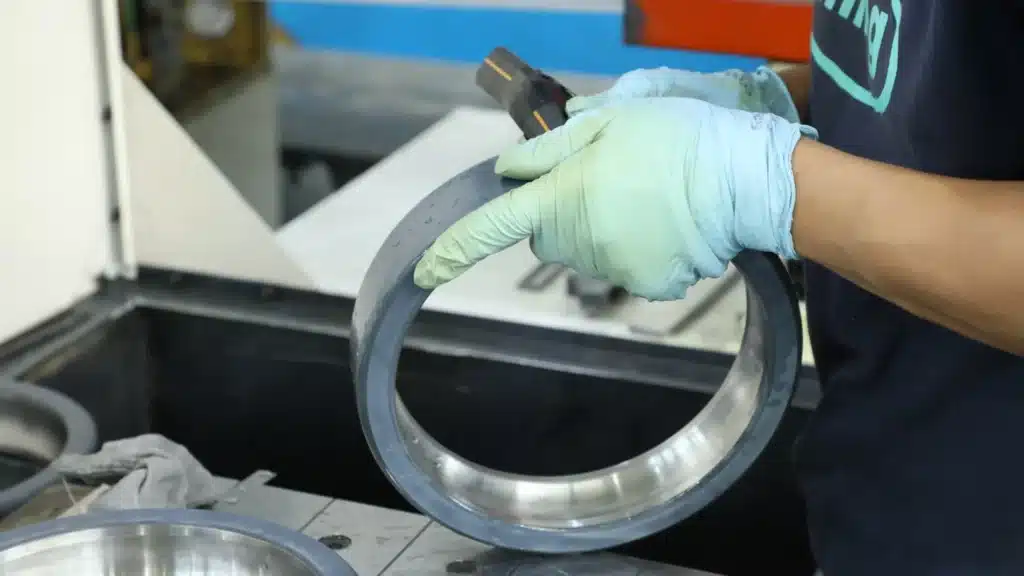
Bearing Application Technology
One or Two Insulated Bearings in a VFD Motor?
Decide whether one or two VFD motor bearings need insulation by tracing DE/NDE current paths, grounding, coupling and driven equipment.



Decide whether one or two VFD motor bearings need insulation by tracing DE/NDE current paths, grounding, coupling and driven equipment.
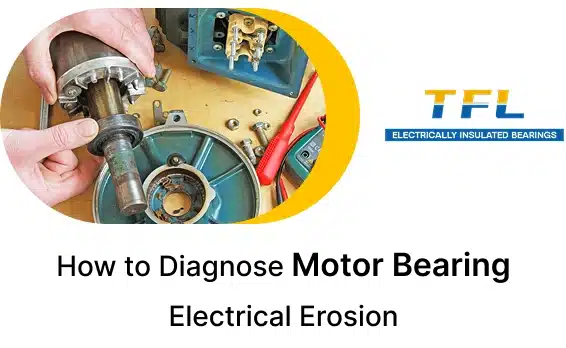
This article explains how to diagnose motor bearing electrical erosion by checking raceway fluting, abnormal noise, vibration signals, shaft voltage, and proper corrective actions.
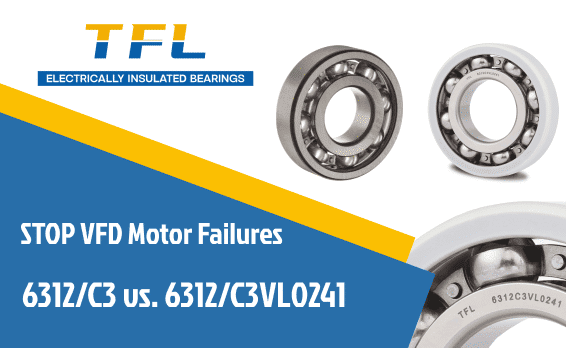
Are standard 6312/C3 bearings destroying your VFD motors? Learn when to upgrade to insulated 6312/C3VL0241 bearings to stop electrical damage.
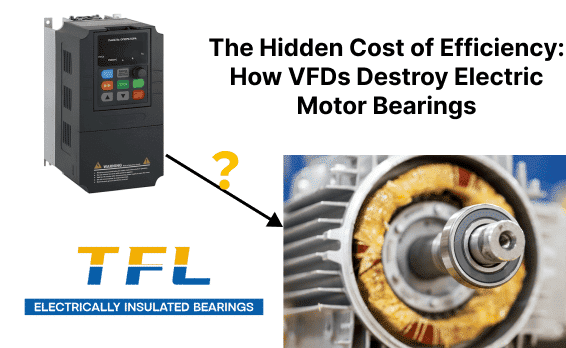
VFDs improve efficiency but introduce a hidden killer: Common Mode Voltage. We break down the engineering physics behind bearing fluting, the dangers of long cables (standing waves), and why upgrading to Inverter Duty Insulated Bearings is the only permanent fix for critical motors >10HP.
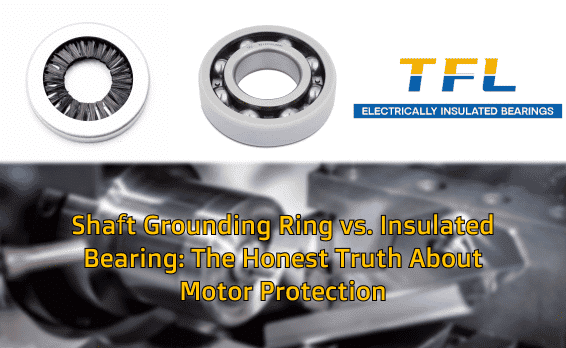
Are you relying on shaft grounding rings to protect your VFD motors? In dirty or oily environments like CNC machining, they might be failing silently. We compare the ‘Divert vs. Block’ strategies to help you decide between grounding rings and insulated bearings for permanent reliability.
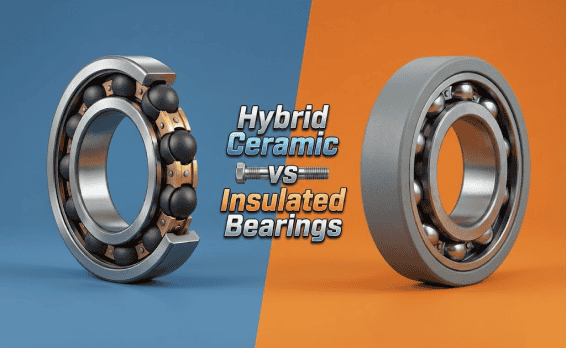
Hybrid Ceramic vs. Insulated Bearings: Compare speed, insulation, and ROI to find the best EDM protection for your high-performance motor spindle.
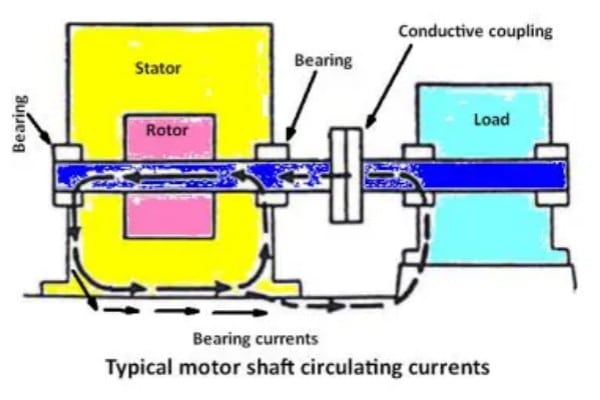
This guide explains the origins of shaft voltage in VFD applications, the risks of electrical erosion, and practical strategies—including grounding and insulation—to protect motor bearings.
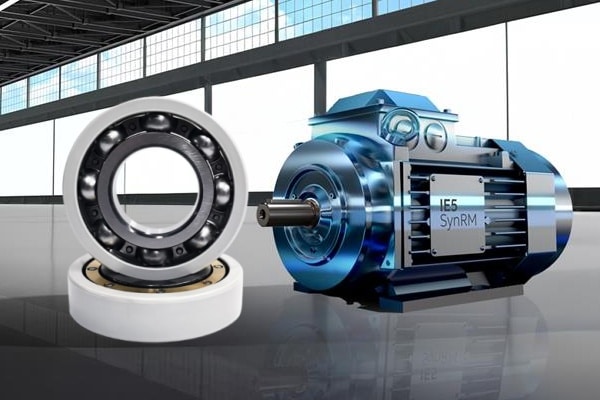
This guide explains the critical role of electrically insulated bearings in preventing VFD-induced shaft currents, detailing their construction, benefits, and practical implementation strategies to maximize industrial motor reliability.
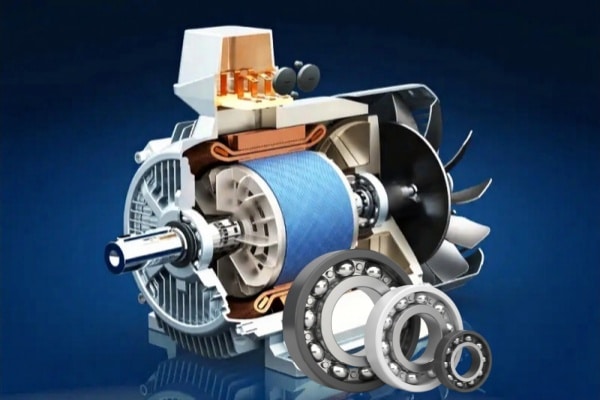
This engineering guide details the mechanism of VFD-induced shaft currents, explains the damage caused by electrical fluting, and outlines how ceramic-coated and hybrid insulated bearings provide the most effective protection for industrial motors.
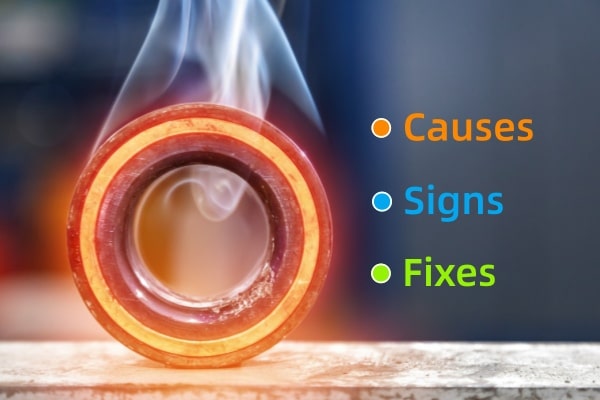
This guide analyzes the science behind motor bearing overheating, identifying key triggers such as lubrication breakdown and misalignment, while providing actionable diagnostic and maintenance solutions to ensure long-term equipment reliability.
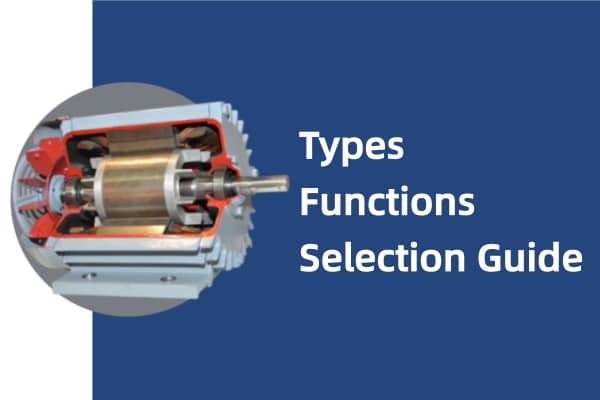
This guide explores the essential role of motor bearings in machinery, detailing their specific types, core functions, and key selection factors to ensure optimal performance and reduced equipment failure.
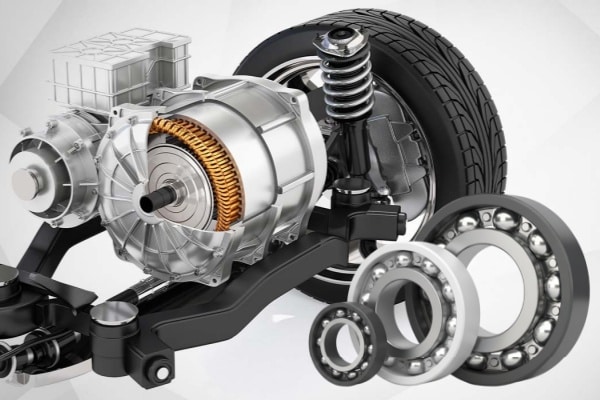
High-voltage EV systems create damaging shaft currents that destroy standard bearings. This guide explains how electrically insulated bearings prevent failure, reduce noise, and lower lifecycle costs for OEMs and fleets.
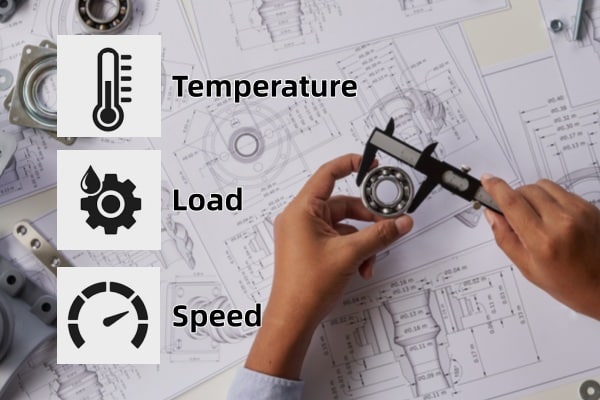
A comprehensive guide exploring the “trinity” of bearing engineering—temperature, load, and speed—and actionable strategies to maximize motor reliability and uptime in demanding applications.
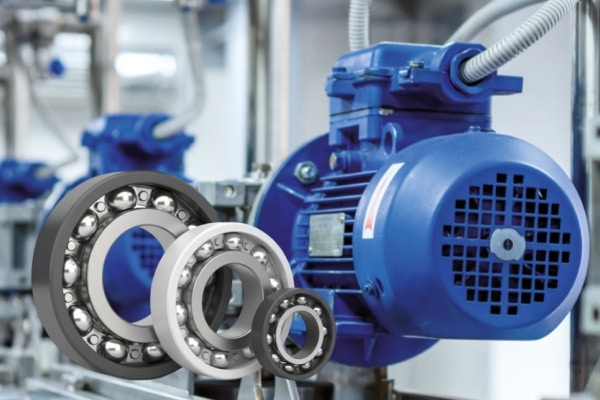
This guide details the ten most frequent reasons for electric motor bearing failure, including lubrication errors, misalignment, and electrical erosion, providing practical solutions and maintenance strategies to ensure reliability and maximize equipment service life.
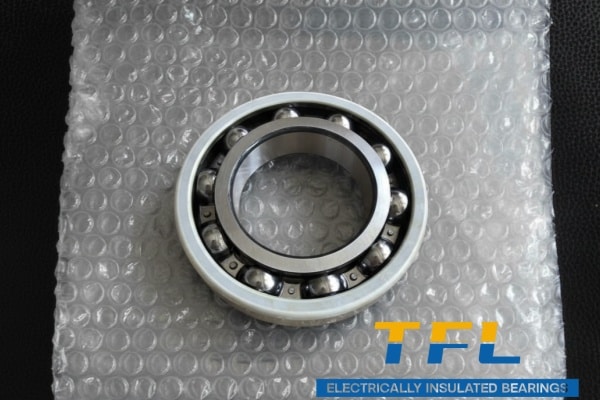
TFL Electrically Insulated Bearings use high-performance ceramic coatings to effectively prevent shaft current damage, extend motor life, and reduce maintenance costs. They are widely applied in EVs, wind power, rail traction, and industrial automation systems.